A child is born with congenital melanocytic nevi.

Reviews of three pediatric articles: a quicker way to evaluate a child's blood pressure, giving parents a choice of oral or IV fluids for their kids, and a study on early weight-based stereotyping.

Thirteen year after 11 children enrolled in a clinical trial died, Pfizer has agreed to pay $75 million in damages.

It's time to find who you really are, colic.

The words "hospice" and "palliative care" have long made parents cringe -- and they might scare off some pediatricians, too.

It?s a choice that no parent wants to make, or even consider. But in certain cases, the AAP now says, it can be an ethical choice.

Obesity in younger, poverty-level children may be stabilizing, according to new CDC data in the Morbidity and Mortality Weekly Report (July 24).

Sometimes it is difficult to determine whether a testicle is fully descended.

When I repair facial lacerations on toddlers, I find that they are likely to start pulling at the bandage as soon as I put it on.

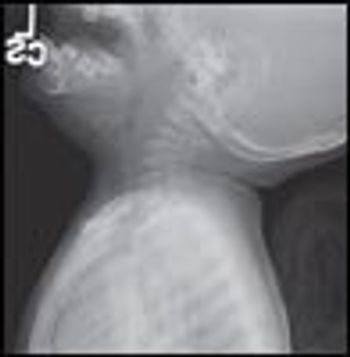
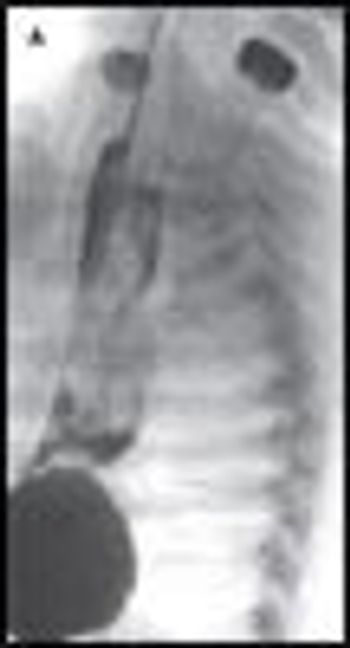
A 6-month-old boy was hospitalized because of fever and suspected central line sepsis. He had been receiving total parenteral nutrition (TPN) since shortly after birth following a small-bowel resection, which was performed to repair a midgut volvulus. Abdominal ultrasonographic findings after the procedure were normal. The infant was born at term after an uneventful pregnancy and delivery. Alkaline phosphatase and γ-glutamyl transpeptidase levels were elevated, without hyperbilirubinemia. An ultrasonogram showed hyperhomogeneous and nonhomogeneous echogenicities of the liver, consistent with fatty changes and fibrosis.

Parents of a child who has a seizure and a fever may be concerned about epilepsy. They probably won?t be happy to learn it might be swine flu.

Pollution and pregnant women don't mix, and can severely impact children's IQ, according to a new environmental study.

The president sat down with children's health leaders to discuss how to fix health care.

A new list from the American Society of Anesthesiologists can educate parents and reduce children's anxiety prior to a procedure.

If a practitioner sees an underweight adolescent female, she might be suspected to have anorexia nervosa. But what if that teenage patient is male?

Alberta Children's Hospital in Calgary, Canada, has isolated one of its units due to three swine flu cases, according to health officials.

Actors on the silver screen who light up, whether "good guys" or "bad guys," have sway on teenagers' decision to smoke, new research shows.

It was hit by two hurricanes in September 2008 -- one literal and one financial -- but the Shriners Hospital for Children in Galveston will be reopening.

Every year, far too many people are injured are killed as a results of fireworks. Here's a partial list for 2009.

Approximately 50% of US HIV-positive teens do not know they have AIDS, according to the CDC.

Adolescents who think they'll die young don't think twice when it comes using drugs, considering suicide, arrests, or contracting HIV, according to new research.

The role of vaccine policy for herd immunization is compared to the role of Medicare and Medicaid in providing health care for the nation's elderly and lower-income.

A study finds two drugs work better than one for bronchospasms, marketing could help increase vaccinations, and smoking may destroy certain protective genes.

Two readers offer suggestions for ways to increase iron in toddlers other then by supplement: healthier food, and breastfeeding.

A 7-month-old child appears at the derm office with a blistering eruption that started six days before on her face and neck, and has spread to trunk and extremities.

The dangers of phthlates, mercury, bisphenol a, and lead are examined, giving practitioners the background to pass on wise safety tips to their patients and parents.

A teenage girl undergoes a series of lab tests, which all come back negative. The complaints turns out to be one of the negative lab results - but which one?

A review of how things have changed over 25 years when it comes to options available for teenagers about contraception and safe sex/abstinence.

A review of the reasons why urinary tract infections are so prevalent in teenagers, and tips on how to distinguish them from sexually transmitted infections.

Two shots, or one? After a lot of study, the immunization division of the CDC say it?s up to you.