
Donna Hallas, PhD, PPCNP-BC, CPNP, PMHS, FAANP, FAAN, comments on the ongoing measles outbreaks and encourages advocation for vaccines and accurate information.
Donna Hallas, PhD, PPCNP-BC, CPNP, PMHS, FAANP, FAAN, comments on the ongoing measles outbreaks and encourages advocation for vaccines and accurate information.

Mary Koslap-Petraco, DNP, PPCNP-BC, CPNP, FAANP, highlighted key updates on influenza, COVID-19, and RSV vaccines at the 2025 NAPNAP National Conference.
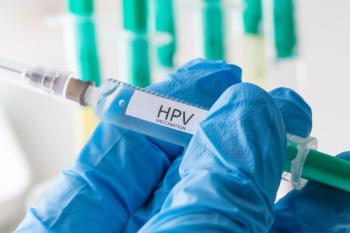
A nurse-led intervention increased HPV vaccination rates among Hispanic adolescents in a rural North Carolina clinic, according to research presented at the 2025 NAPNAP conference.

Early anxiety screening in pediatric primary care improves detection, outcomes, and access to mental health support starting at age 8.

Tina Tan, MD, FIDSA, FPIDS, FAAP, comments on the FDA's recent selection of the 2025-2026 influenza vaccine compositions, without the CDC's ACIP meeting and FDA's VRBPAC meeting.

In the final part of this 5-part series, panelists discuss new allergy treatments such as Xolair, early immunotherapy, and their broader impact.
In part 4 of this 5-part series, panelists discuss gaps in pediatric food allergy care, stressing better diagnosis, education, and management.
In part 3 of this 5-part series, panelists discuss the recent Neffy approval, oral immunotherapy, and Xolair’s role in allergy management.
In part 2 of this 5-part series, panelists discuss confusion in food allergy diagnosis and the need for better medical education.
In part 1 of this 5-part series, panelists discuss early allergen introduction, oral immunotherapy, and Xolair for food allergy.
Mary Koslap-Petraco highlighted the need to address vaccine hesitancy, catch up on immunizations, and build trust with parents at the 2025 NAPNAP National Conference on Pediatric Health Care.
At the 2025 NAPNAP National Conference, Maureen Madden, DNP, CPNP-AC, CCRN, FCCM, FAAN, explained why the yearly conference is important for both providers and pediatric patients.

If approved, SYD-101 would be the first and only pharmaceutical option for the treatment of progression of pediatric myopia in the United States.

Mary Koslap-Petraco, DNP, PPCNP-BC, CPNP, FAANP, reacts to the recent cancelations of the ACIP and VRBPAC and comments on the potential down stream effects.
At the 2025 NAPNAP National Conference, Maureen Madden, DNP, CPNP-AC, CCRN, FCCM, FAAN, provides the key takeaways and recommendations for glycemic control guidance, updated in 2024.

The study, known as BRAVE-AA-PEDS, was sponsored by Eli Lilly and Company and involved 257 adolescents aged 12 to under 18 years.

Bobbie expects the launch of their USDA Organic Whole Milk Infant formula to begin in April 2025.

A presentation at the 46th National Association of Pediatric Nurse Practitioners (NAPNAP) conference explored the role of biologics in pediatric care, their applications in various conditions, and safety considerations for clinicians.
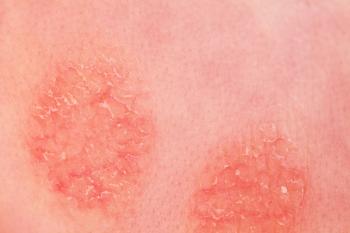
The newest tapinarof results were presented at the 2025 American Academy of Dermatology (AAD) Annual Meeting.

A quick look into some of the top sessions occurring at the NAPNAP National Conference, being held from March 10-13, 2025 in Chicago, IL.

Jay T. Rubinstein, MD, PhD, highlighted promising CHORD trial data showing that DB-OTO gene therapy has led to hearing improvements in treated participants.

An overview of commercially available infant cardiorespiratory monitors and pulse oximeters in the home.

After 9.5 months, 94% of participants reported an improvement in incontinence symptoms, with 58% experiencing complete resolution and 18 (36%) reporting greater than 50% reduction in the number of accidents.
The newly-approved indication is for children aged 4 years and older who weigh 33 < 66 lbs, expanding on the August 9, 2024 approval in children at least 66 lbs.
According to data presented at AAAAI, berotralstat demonstrated a well tolerated safety profile and early and sustained reductions in monthly HAE attacks among patients aged 2 to under 12 years.

Mike Hennessy Jr, President and CEO of MJH Life Sciences kicks off our March Mental Health issue with a look into the ongoing pediatric mental health crisis.
First approved for PNH in 2007, the monoclonal antibody is now the first and only treatment for pediatric patients living with gMG.

On World Obesity Day, take this short quiz and test your knowledge of the AAP's clinical practice guideline to evaluate and treat children and adolescents with obesity.

Results will be included an a final analysis of safety and efficacy data for CTx-1301, which will be included in a NDA submission with the FDA, stated Cingulate Inc.
Colleen Sloan, PA-C, RDN, emphasizes the importance of learning to spot added sugars, compare portion sizes, and recognize misleading marketing claims to give patients a practical tool to take ownership of their health.