

This week, take a look at several video interviews with experts from the 2024 AAP meetings, all in one place.
This week, take a look at several video interviews with experts from the 2024 AAP meetings, all in one place.

Kay Rhee, MD, discusses the challenges of pediatric obesity treatment, highlighting the role of biological and environmental factors, behavioral interventions, and the potential benefits of GLP-1 medications in weight management for children and teens.

At the 2024 AAP National Conference, Steven Selbst, MD, highlighted the rise in accidental THC ingestions among children, urging pediatricians to counsel parents on the dangers of improperly stored THC gummies that resemble candy.

Tanya Altmann, MD, discusses California's AB 899 law requiring baby food heavy metal testing, urging a balance between safety and maintaining nutrition quality.

Angela Chun, MEd, MD, FAAP, shares tips on distinguishing mechanical vs inflammatory joint pain in children, emphasizing timing, activity, and key physical exam maneuvers.

A single dose of the mRNA-1273.222 vaccine demonstrated strong immune responses against various omicron subvariants and showed a favorable safety profile compared to existing vaccines.

Rana Hamdy, MD, discussed her session at the 2024 AAP meeting, highlighting treatment duration with antibiotics for community-acquired pneumonia as well as the importance of understanding amoxicillin allergy.

Lori Byron, MD, emphasizes the harmful effects of extreme heat and wildfire smoke on children's health, urging education, sustainability, and collective action.
Tanya Altmann, MD, discusses the growing issue of childhood obesity in the United States and the benefits of new weight management medications.

A look into CDC numbers for increasing pertussis cases in the United States, along with commentary from our editor-in-chief, Tina Tan, MD, FAAP, FIDSA, FPIDS.
At AAP 2024, Rana Hamdy, MD, shared insights from her session, "Diagnosis and Treatment of Community-Acquired Pneumonia."
"It's unfortunate now that emergency departments need to prepare for disasters like that, and physicians everywhere need to prepare... They may need to come in."

A resurgence of "chroming" among teens, driven by TikTok videos, poses serious health risks, urging social media regulation and pediatrician intervention.

Water-absorbing beads pose a growing threat to children, causing life-threatening bowel obstructions; new research explores solutions to shrink ingested beads.

“Children are most often coming across these drugs in familiar settings such as their home or the home of a relative,” said said Maria Quidgley-Martin, of research presented at the AAP National Conference & Exhibition.

“Getting outside and enjoying the fresh air can do wonders for your health while also upping Vitamin D absorption, said Jessica McQuerry, MD, lead study author of an abstract presented at the 2024 AAP National Conference & Exhibition.

The study points to areas where response efforts can be enhanced, particularly in the identification of opioid poisonings in infants and young children.

“The significant rise in heat-related illnesses over the past decade underscores a growing public health concern that warrants further attention and action, said Taylor Merritt, MD, of the data presented at the AAP National Conference & Exhibition.

“Our study highlights the widespread nature of period poverty and the need for broad actions," said co-senior study author Meleah Boyle, PhD MPH at the 2024 AAP National Conference & Exhibition.
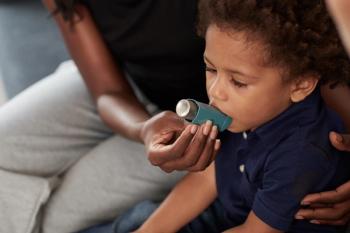
Infants were 22% less likely to develop asthma in early childhood if there were only fed breast milk during birth hospitalization, per a study presented at the 2024 AAP National Conference & Exhibition.

Our editor-in-chief Tina Tan, MD, FAAP, FIDSA, FPIDS, previews some of the American Academy of Pediatrics National Conference & Exhibition, taking place right now in Orlando, Florida.
A study presented at the AAP 2024 National Conference & Exhibition finds Black infants are 40% more likely to die from congenital heart disease than White infants, highlighting persistent racial health disparities.

In a recent global review, significant annual increases in the mean term birthweight were reported, indicating worldwide public health impacts.

Eric Simpson, MD, MCR, FAAD, lead author of a recently-published article highlighting roflumilast cream 0.15%, joined us for a Q+A interview.
In a recent study, infants of mothers with an influenza infection during pregnancy were significantly more likely to experience febrile seizures, but not epilepsy.
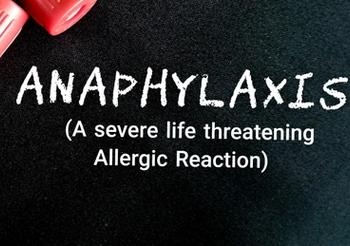
The needle-free option to treat type 1 allergic reactions, including anaphylaxis, was approved for adults and children who weigh 66 lbs or more on August 9, 2024.

With this acceptance, the federal agency has assigned a PDUFA date of May 22, 2025 for roflumilast foam (Zoryve) 0.3%.
In her September 2024 article, Donna Hallas, PhD, PPCNP-BC, CPNP, PMHS, FAANP, FAAN, highlights the potential of digital health tools to improve care for pediatric mental health, obesity, and medically complex conditions.
Get caught up with our journal! Review some of the top stories from the Contemporary Pediatrics website over the last week, and catch up on anything you may have missed.

Andrew Dauber, MD, MMSc, of Children's National Hospital joined us to discuss potential advantages of LUM-201 as it goes through the clinical pipeline.