

From baseline to final assessment, all 7 matched cerliponase alfa-treated children under 3 years of age maintained a motor score of 3, representing a "grossly normal gait, signifying a delay in disease onset," stated BioMarin.
From baseline to final assessment, all 7 matched cerliponase alfa-treated children under 3 years of age maintained a motor score of 3, representing a "grossly normal gait, signifying a delay in disease onset," stated BioMarin.
Initial approval for maralixibat was granted on March 13, 2024, to treat PFIC patients aged 5 years and older.

These data highlighted the association of moderate air pollution exposure during pregnancy, infancy, and early childhood on pulmonary function at school age.

The third and final episode in our series looks at what is in the pipeline as well as a discussion around FDA guidance.

Merck announced clesrovimab met all primary safety and efficacy endpoints, with additional detailed findings to be presented at an upcoming scientific congress.
With the acceptance of the BLA, a new PDUFA date of January 7, 2025 has been set.

Risk for cataract development was assessed at specific follow-up durations of 1 year, 2 years, 5 years, and 20 years following the index date, with an increased risk of cataracts development among patients aged younger than 18 years present at each time point.

The investigative team noted that teenagers with emotional and social support are better off to handle stressors such as biological and social transition, and are less likely to experience a variety of adverse physical and mental health outcomes.

Donna Hallas, PhD, PPCNP-BC, CPNP, PMHS, FAANP, FAAN, shares her thoughts on the July 2024 issue of Contemporary Pediatrics.

If approved, roflumilast foam 0.3% for scalp and body psoriasis treatment would add to the multiple already-approved roflumilast indications.

As of July 19, 2024, there were 28 Listeria illnesses and 2 deaths linked to meats sliced at delis.
The Rare Pediatric Disease Designation from the FDA follows the previously granted Orphan Drug and Fast Track Designations.

Get caught up with our journal! Review some of the top stories from the Contemporary Pediatrics website over the last week, and catch up on anything you may have missed.

Shreya Doshi, MBBS, FAAP, shares how routine screening appointments can serve as a good time to discuss environmental elements with families.
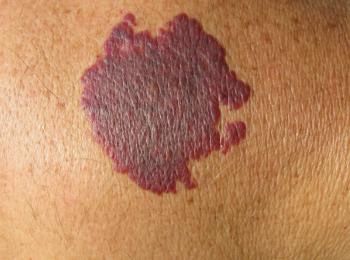
With no adverse events reported, findings suggested once-weekly PDL treatments are associated with improved outcomes and shorter treatment duration among children with effective PWB.

Shreya Doshi, MBBS, FAAP, discusses how contamination could be reducing your practice's recycling impact.
The second episode in our series looks to address clinical management in a time when antimicrobial resistance appears to be growing.

When it comes to easing pain from a needlestick, pairing a dog with the human administering the needlestick was more successful than the human alone, according to results of a study conducted in a hematology oncology clinic.

Donna Hallas. PhD, PPCNP-BC, CPNP, PMHS, FAANP, FAAN, underscores the critical need for proper vaccination and effective communication between parents and schools to ensure sick children stay home, while addressing logistical challenges faced by parents.

A discussion on the importance of communication between healthcare providers, school personnel, families, and children in the administration and organization of medication in schools.

Get caught up with our journal! Review some of the top stories from the Contemporary Pediatrics website over the last week, and catch up on anything you may have missed.

A cohort analysis shows state Medicaid programs could assure young children with sickle cell disease receive cost-efficient and critical care in a timely fashion.

A laboratory-based assessment shows children aged 18 - 32 months old were less likely to listen to attention prompts or their parent's requests when provided an iPad versus a standard toy.

Data from an Italy cohort show wheezing episodes decreased by more than 40% among children born during the COVID-19 lockdown period versus a pre-pandemic cohort.

Shreya Doshi, MBBS, FAAP, joined us to discuss some easy opportunities to reduce emissions in your practice and help improve health care sustainability.

This series looks to discuss several topics around these infections including diagnosis, treatment, challenges in managing UTIs in patients with dementia and neurogenic bladders, antibiotic resistance, and considerations for patients and caregiver engagement.
Details of newly FDA-approved roflumilast cream 0.15% for AD in pediatric patients, plus insight and commentary from Lawrence Eichenfield, MD.
An intentional launch date for ustekinumab-ttwe in the United States is set for sometime in February 2025.
The decision target action date was July 7, 2024. At this time, there is no indication from the federal agency to extend the date further.

Annie Certo, MA, and AJ Harris, MS, break down what a “summer slump” is and how it can affect children during summer break from school. The duo offers suggestions on how to combat the negative associations of a “summer slump.”