

Approximately half of study participants had tried lifestyle modifications and used vitamin supplementation, and most were taking multiple medications.
Approximately half of study participants had tried lifestyle modifications and used vitamin supplementation, and most were taking multiple medications.

Get caught up with our journal! Review some of the top stories from the Contemporary Pediatrics website over the last week, and catch up on anything you may have missed.

Water safety tips from the CDC including drowning prevention, pool chemical injury prevention, and keeping swimmers safe.

Experts highlight common waterborne illnesses, preventive tips for summer.
The analysis was based on 573 hospitalizations (most patients had an average of 2 hospitalization episodes) in which new BCs were drawn more than 48 hours after initial cultures were negative.

The decision is based on statistical significance achieved in the T2NOW trial, which demonstrated reduction of A1C.
Compared with controls, children with CHD performed less well across all WISC-V indices and with large effect sizes for all indices and most subtests.

Unexpected seasonal RSV following COVID-19 highlighted the need for ongoing research to better understand transmission and ongoing impact from the pandemic.

The primary outcome was an elevated HbA1c level greater than or equal to 5.7% (prediabetes or undiagnosed presumed T2D).
pJIA can lead to an increased risk of permanent joint damage as well as delayed growth and development.

Overall, the findings of the study support the clinical utility of combining trio-WES sequencing with CNV-seq in the etiologic diagnosis and management of early-childhood GDD.
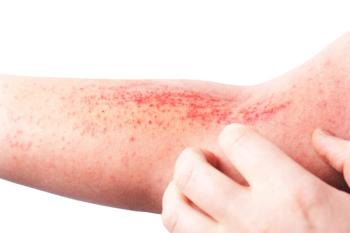
Once-daily, steroid-free, topical roflumilast cream 0.15% has a PDUFA date of July 7, 2024.
The authors indicate that delays in diagnosis of endometriosis can lead to disease progression and an impact on fertility, whereas early diagnosis and appropriate management may result in less major surgery in adulthood.
Get caught up with our journal! Review some of the top stories from the Contemporary Pediatrics website over the last week, and catch up on anything you may have missed.

The 2-drug, fixed-dose combination tablet contains darunavir, an HIV-1 protease inhibitor, and cobicistat, a CYP3A inhibitor that serves as a PK enhancer or “booster.”
Investigators developed an algorithm indicating that only 7.7% of patients with BHS require an ECG at BHS diagnosis, a much lower proportion than the 45.1% of those who had undergone the test in the study sample.

Over the winter, the omicron JN.1 lineages overtook XBB strains as dominant.

Though some drowning prevention strategies seem common or routine, data demonstrate drowning deaths among children have risen in recent years, which should prompt conversations with families on refreshers and new prevention initiatives.

What are the skin conditions in which itching becomes the dominant clinical symptom in children?
The 2 groups did not differ in how likely they were to fill at least 1 prescription of any antibiotic while enrolled in kindergarten.

Pediatricians may eventually realize a significant increase in income by attaching the G2211 code to acute and chronic care visits.

As safe and effective gene-editing and gene-replacement therapies become more attainable, developing the delivery systems that ensure these treatments are equitably available will be equally essential.

Following evidence from recent studies, the CDC has recommended the use of doxycycline postexposure prophylaxis in sexual health among certain populations.
Additionally, a new weight-based oral solution, RINVOQ LQ, is now available as an option for the pediatric populations.

Management of ICEP with monoclonal antibodies against IL-5 and IgE (omalizumab) could be promising according to study authors, though extent of evidence is lacking.

Mesoblast Limited's chief executive announced a BLA resubmission for remestemcel-L is expected to be filed with the FDA this quarter.
The maximum daily dose has increased from 80 mg to 100 mg.

Editor-in-chief Tina Tan, MD, FAAP, FIDSA, FPIDS, highlights the June 2024 issue of Contemporary Pediatrics.
Get caught up with our journal! Review some of the top stories from the Contemporary Pediatrics website over the last week, and catch up on anything you may have missed.

The disorders can impact the academic and social functioning of college students and have been associated with long-term health issues.