


Vaccination and Immunization
Latest News
Advertisement
Video Series
Latest Videos







Shorts

0:31
Why you shouldn't wait for the HPV vaccine
6 days ago
by
Jonathan Miller, MD

0:31
Changing a parent's mind: A success story
10 days ago
by
Jonathan Miller, MD
0:31
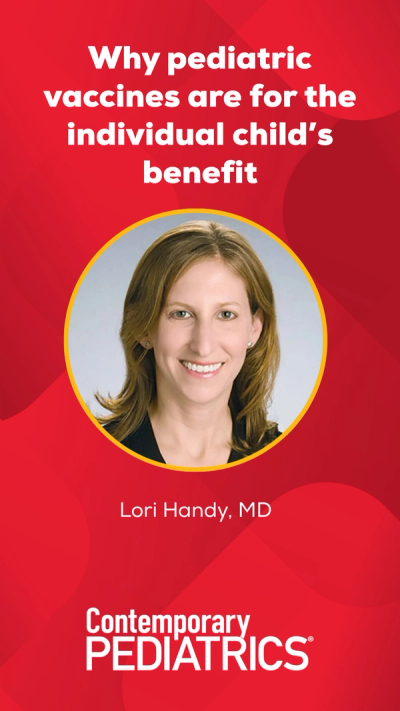
Why pediatric vaccines are for the individual child’s benefit
11 days ago
by
Lori Handy, MD, MSCE

0:48
How do you handle parents who ignore the science?
15 days ago
by
Lori Handy, MD, MSCE

0:34
Reframing vaccine conversations for the new school year
18 days ago
by
Lori Handy, MD, MSCE

0:48
Providing health info on the platforms families use
22 days ago
by
Lori Handy, MD, MSCE

0:37
Are HPV vaccines safe? 20 years of evidence
23 days ago
by
Jonathan Miller, MD

0:51
Why healthcare providers should value parents' online research
a month ago
by
Lori Handy, MD, MSCE

0:40
Building credibility and trust with hesitant families
a month ago
by
Lori Handy, MD, MSCE

0:44
The danger of unequal vaccine access
a month ago
by
Ravi Jhaveri, MD
Podcasts






Advertisement
More News
Independent review of hundreds of studies finds flu vaccine 80% effective against pediatric death; RSV and maternal immunization cut infant hospitalizations.
AAP guidance expands RSV immunization eligibility for children aged 8 through 19 months at high risk of severe disease.

Navigate back-to-school vaccine requirements, evidence, and FAQs—plus the latest measles data and new pneumococcal options for pediatric practice.
Executive order seeks to trim routine childhood vaccines, split combination shots, and push parent-doctor decisions—sparking debate as measles surges.
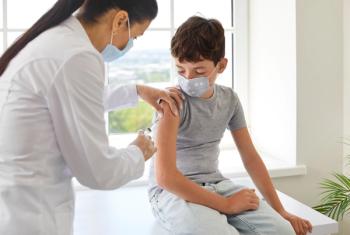
A 173-mother cohort study found parenting role models—not income alone—drove the link between maternal education and COVID-19 vaccination intent.

US measles cases have climbed to 2,318 in 2026, already exceeding all of 2025 and marking the country's highest annual total since 1991, as CDC data show falling MMR coverage continuing to fuel outbreaks.

A 2-million-infant Swedish registry study found intramuscular vitamin K nonreceipt rose over 19 years and nearly tripled the odds of intracranial bleeding by 6 months.

A 10-year King County study found MMRV was the first vaccine for 15% of children who were disproportionately Hispanic, Black, or VFC eligible.

New research using a natural experiment design found consistent reductions in diagnosed influenza among vaccinated young children in every season studied from 2016 to 2023.
French data suggest dual RSV immunization with RSVpreF and nirsevimab was associated with low infant RSV hospitalization rates.
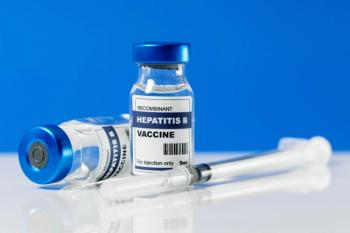
Modeling data suggest removing universal hepatitis B birth-dose vaccination could increase neonatal and chronic HBV infections in US infants.
The review found no credible evidence linking HPV vaccination to serious adverse pregnancy outcomes or other long-term health risks.

Raising pediatric flu vaccination to 70% could significantly reduce outpatient visits, hospitalizations, and deaths, easing strain on US systems.
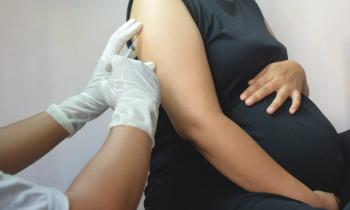
Maternal RSV vaccination and nirsevimab were linked to lower infection rates and reduced severity in infants younger than 6 months.

MMR coverage remained below herd immunity 20 months after an Ohio outbreak, with minimal gains and persistent disparities in children.

Get caught up with Contemporary Pediatrics. This list helps you navigate our top stories from the week, all in one place.

Experts say social media–fueled misinformation and evolving policy landscapes are increasing vaccine hesitancy.

Chad Wells, PhD, shares evidence-based strategies to improve MenACWY 2-dose series completion and address racial and socioeconomic disparities in vaccination.
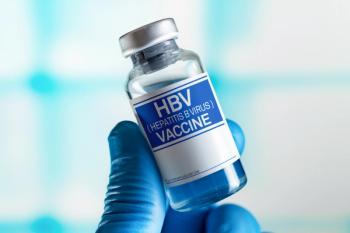
A study found that hepatitis B virus birth dose vaccination rates fell from 83.5% in early 2023 to 73.2% by August 2025.

A study found that a nirsevimab immunization program reduced RSV-related hospitalizations by 85.9% in the first season and 55.3% in the second.

A study found that nonmedical childhood vaccine exemptions have increased significantly across US counties since 2010.
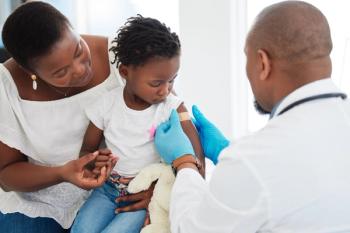
The AAP released its 2026 childhood immunization schedule, maintaining evidence-based vaccine recommendations and expanding guidance across routine, catch-up, and risk-based care.

Preventive care declines from adolescence to young adulthood, with a subset of males remaining persistently disengaged from annual well visits.

Get caught up with Contemporary Pediatrics! This list helps you navigate our top stories from the week, all in one place.

Pertussis often presents as a prolonged cold, especially in infants. Early recognition, treatment, and vaccination are key to reducing severe disease and spread.
Advertisement
Advertisement
Trending on Contemporary Pediatrics
1
Pediatric e-bike and e-scooter injuries nearly quadruple at California hospital
2
Pediatric institutions showed limited social media response to acetaminophen-autism claims
3
A puzzling rash in a toddler
4
Osteopathic treatment shows safety in infants with plagiocephaly
5