


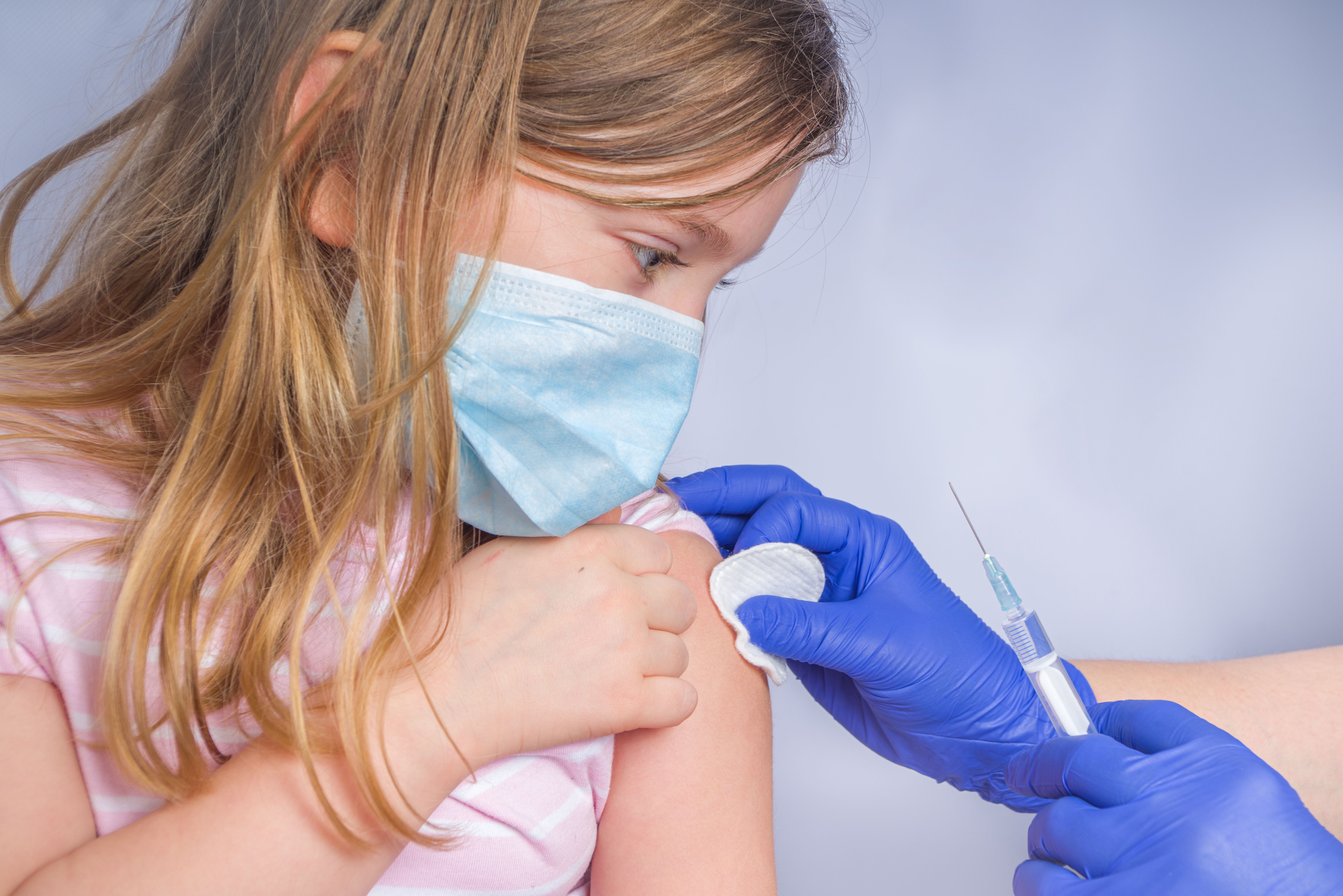

In a recent study, investigators found that children from socioeconomically depraved families were more likely to be hospitalized from COVID-19.
In a recent study, investigators found that children from socioeconomically depraved families were more likely to be hospitalized from COVID-19.
Gregg Sylvester, MD, MPH, chief health officer at CSL Seqirus, discusses an FDA-approved cell-based flu vaccine for children as young as 6 months, trends in childhood vaccination rates, and how to prepare for the upcoming flu season.

Don’t click on links or attachments unless you’re sure they are legitimate.
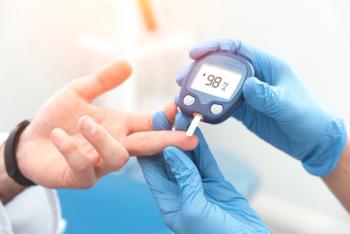
In a recent study, pediatric patients infected with COVID-19 were more likely to develop type 1 diabetes than those infected with other respiratory illnesses.

Ian McGovern, Epidemiologist, Senior Manager at CSL Seqirus, discusses new data on influenza gathered in a recent study, and how influenza rates are expecting to rise in the 2022 to 2023 flu season.
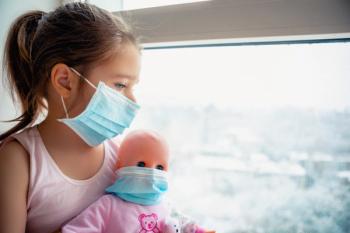
In a recent study, researchers found that respiratory illness rates fell when precautions against COVID-19 were in place.

In a recent report, the American Academy of Pediatrics discussed how influenza affects children and how it can be prevented.
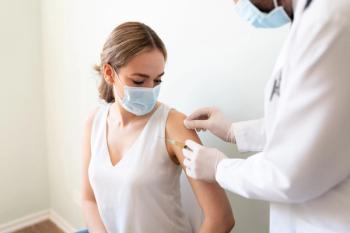
In a recent study, participants who had received a COVID-19 vaccine saw an average increase in menstrual cycle length of less than 1 day.
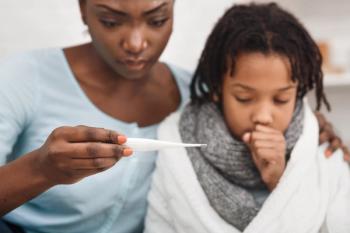
Hospitalized children treated with early oseltamivir (Tamiflu, Gilead Sciences) for influenza had a shorter stay and were less likely to be transferred to an intensive care unit or require other treatment.

In a recent study, it was found that access to contraceptive services declined during the COVID-19 pandemic.

Find out what the best technology was in the field pediatrics during 2022.
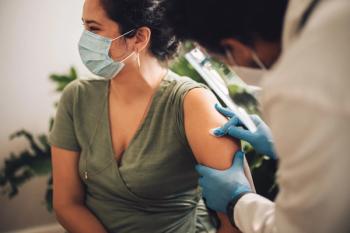
Infants of fully vaccinated mothers had fewer cases of hospitalization from COVID-19 than those unvaccinated.
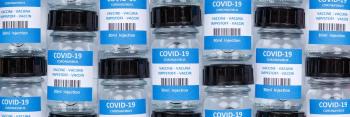
Move comes after FDA give emergency use authorization for bivalent vaccines.

In a recent study, investigators found lower rates of COVID-19 infection and other adverse outcomes in vaccinated pregnant people over those unvaccinated.
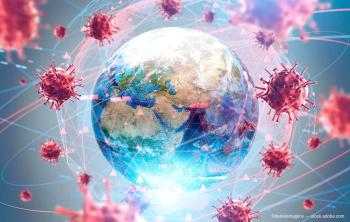
Latest emergency use authorizations for Moderna, Pfizer-BioNTech vaccines.
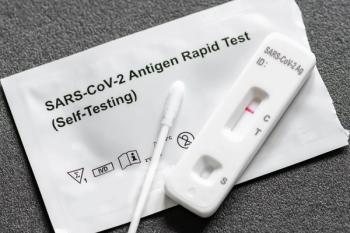
In a recent study, children were successfully able to self-swab and receive their own COVID-19 test results after basic instructions.

Craig Shapiro, MD, pediatric infectious disease specialist at Nemours Children's Hospital, sits down to discuss the recent uptick in pediatric monkeypox cases and explains what to do if you suspect your patient to have monkeypox.
Novavax joins the growing list of COVID-19 vaccines including vaccines from Pfizer-BioNTech, Moderna, and Johnson & Johnson’s Janssen

The news is full of stories about monkeypox, the recent changes to COVID-19 guidance, and the return of polio cases. What do clinicians need to know?
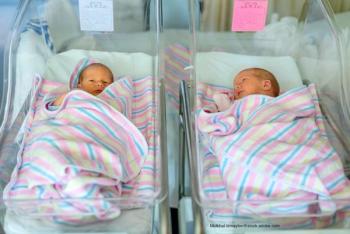
A 29-year-old White woman presented to the labor and delivery unit due to preterm premature rupture of membranes and delivered twins. The twins were transferred to the neonatal intensive care unit following delivery.

The American Academy of Pediatrics has outlined safety tips to keep children physically and emotionally healthy as they return to school this season.
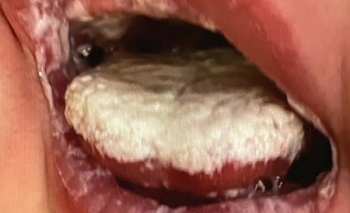
A 4-week-old boy presents with creamy white patches on his lips, right and left buccal mucosa, palate, and tongue.
The FDA has granted Emergency Use Authorization (EUA) of the JYNNEOS vaccine for pediatric patients <18 years who are at high risk of monkeypox infection.
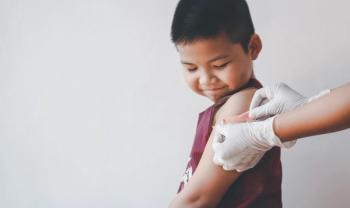
Only one-fifth of parents in a recent survey indicated intentions of getting their child the vaccine within 3 months of eligibility.
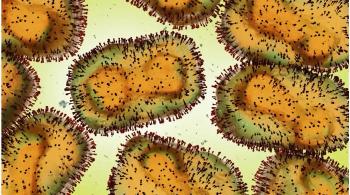
White House ramps up efforts to fight outbreak.