



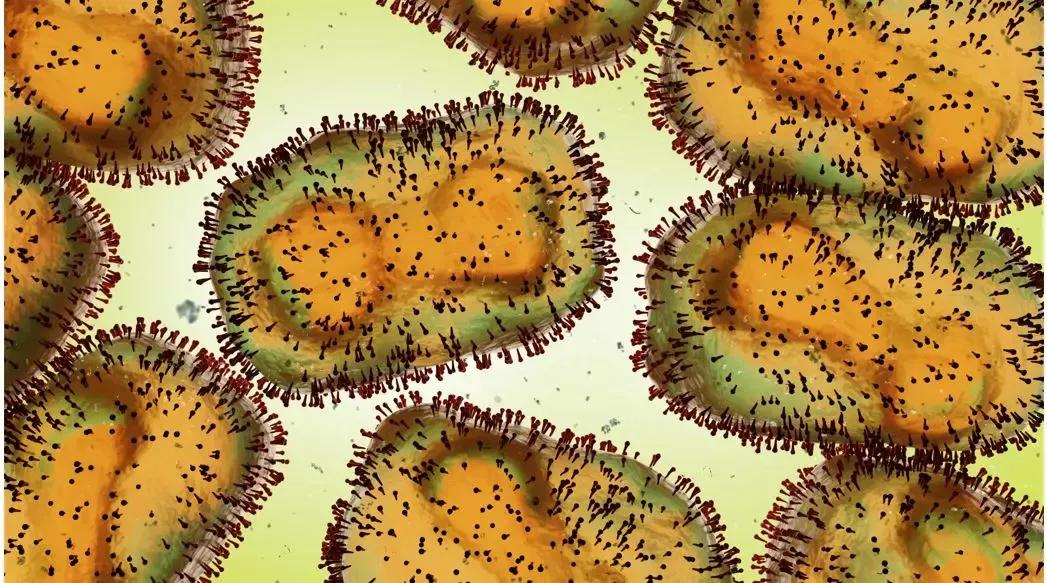


The decision comes following reports of 16,000 cases across 75 countries and territories around the world.
The decision comes following reports of 16,000 cases across 75 countries and territories around the world.
Purchase follows FDA recommendation to include Omicron component in boosters.

The pandemic has disrupted academic progress and children with learning disabilities in particular have been impacted. Here is what pediatricians should know to help support literacy and recognize dyslexia.

Verrica is complying with the FDA through 3 Complete Response Letters to achieve the first FDA-approved treatment of molluscum contagiosum.
In children 5-11 years old, 2 doses of the Pfizer-BioNTech COVID-19 vaccine were moderately effective against documented, symptomatic Omicron infection.

Patients with a history of infection who were also vaccinated had the strongest protection, the data showed.
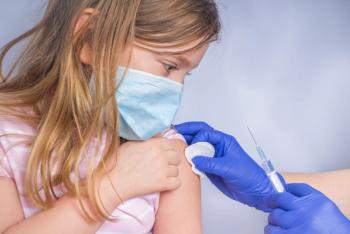
Recently, the AAP announced the launch of a public health campaign to educate caregivers on the benefits of vaccinating all ages.

The stress of enduring an infectious disease pandemic expresses itself in a variety of mental health conditions, but the likelihood of experiencing particular symptoms depends on who you are.

Data from Morbidity and Mortality Weekly Report showed that there was no demonstrated increase in pediatric hepatitis or adenovirus 40/41 above pre-COVID-19 pandemic baseline levels.
The FDA today announces the EUA of both Moderna and Pfizer-BioNTech COVID-19 vaccines for use in children aged 6 months and older.

AMA has adopted a multi-prong strategy to try to counter lies while holding the person responsible to professional review.

The US Food and Drug Administration (FDA) Vaccines and Related Biological Products Advisory Committee unanimously voted recently to recommend both the Pfizer-BioNTech and Moderna COVID-19 vaccines for individuals aged 6 months and older.

COVID-19 vaccination during pregnancy may reduce infants’ risk of infection during the early months of life, according to a recent study.

In a video for Contemporary Pediatrics®, Tina Tan, MD, FAAP, FIDSA, FPIDS, discusses an expansion of vaccine access likely to come with the FDA approval of the PRIORIX vaccine.

Kenneth J. Tomecki, MD, discussed the clinical relevance of sexually transmitted diseases to dermatology and outlined what to look for and how to treat various conditions at the 2022 Fall Clinical Dermatology Conference for PAs & NPs.

GSK plc today announced FDA approval of the PRIORIX vaccine for prevention of measles, mumps, and rubella.

Most children outgrow an adverse drug reaction to oral antibiotics, according to an Icelandic study.
A survey saw that of teenagers who sought care in the ED and were prescribed outpatient treatment, fewer than half who received an STI diagnosis filled their prescriptions.

Paul A. Offit, MD, pulls back the curtain on medical discoveries in "You Bet Your Life: From Blood Transfusions to Mass Vaccination, the Long and Risky History of Medical Innovation"

Study links inappropriate, off-guideline antibiotics to increased, avoidable allergic and adverse events in children.

Decreasing cases of chlamydia may offer false hope in light of decreased screening.

A look at what the Contemporary Pediatrics® team covered this week.

Verrica received a Complete Response Letter from the FDA regarding their New Drug Application for the topical molluscum contagiosum treatment, VP-102.
Pfizer-BioNTech reports strong immune response, high efficacy, and favorable safety in third dose of the COVID-19 vaccine.

Research suggests that COVID-19 vaccination may serve a therapeutic effect, possibly reducing the risk of developing long COVID when administered to those currently infected.