




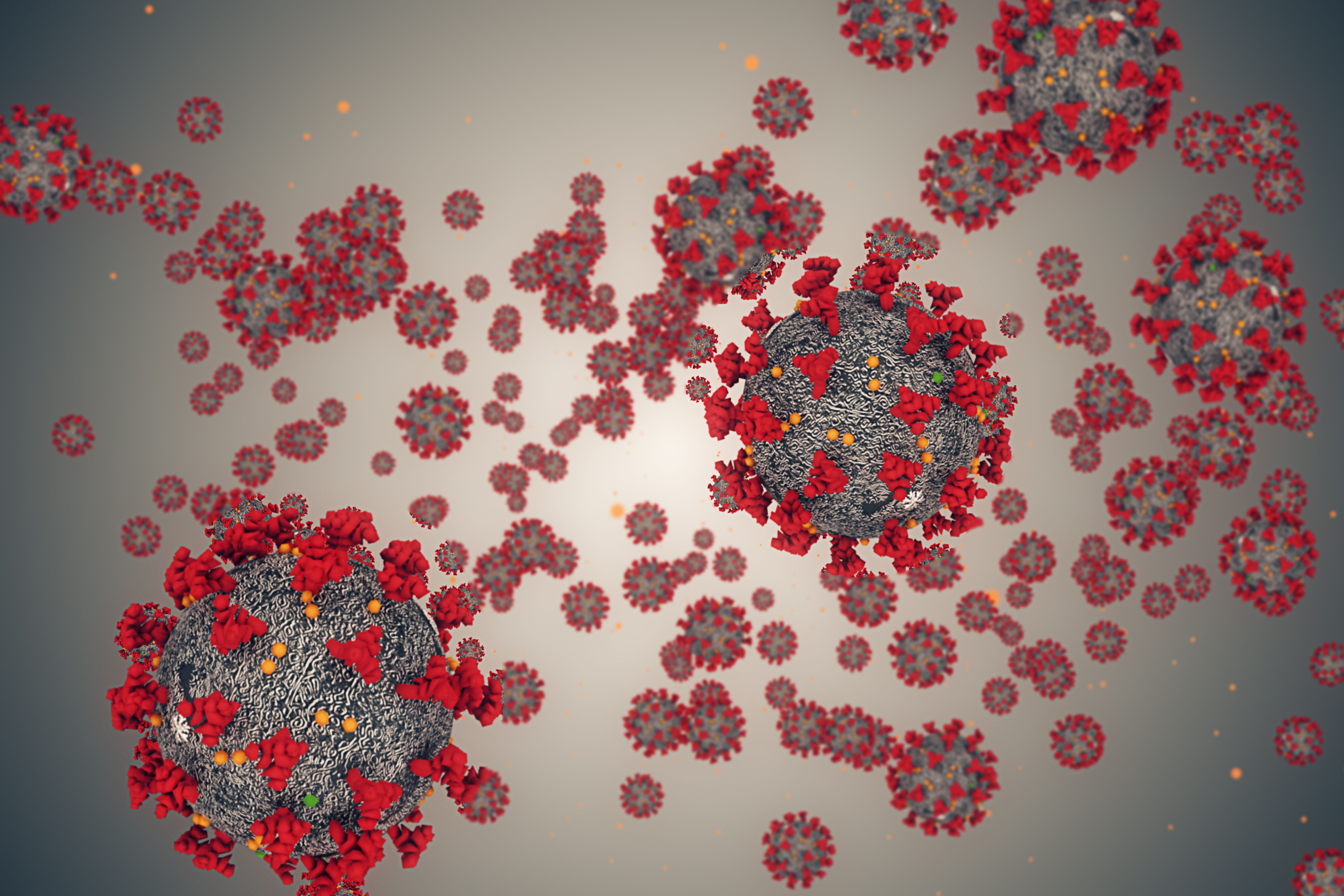


Occupational Safety and Health Administration (OSHA) will do a series of re-inspections over a 3 month period to examine precautions against the disease for health care employees.
Occupational Safety and Health Administration (OSHA) will do a series of re-inspections over a 3 month period to examine precautions against the disease for health care employees.
An investigation illuminates the differences in the immune response to COVID-19 in children when compared to adults.
Skipping physicians for convenience not the best way for patients to receive care says American Medical Association

Multiple pharmaceutical companies are investigating the application of mRNA technology to develop vaccines that treat and prevent multiple conditions, from influenza to cancer and beyond.
The COVID-19 pandemic has been full of difficult situations for children, from education disruptions to lack of socialization at important developmental stages. It's also left many children without parents or caregivers. What can clinicians do to help these children?

Doctors face increased burnout rates, loss of autonomy and greater financial threats from nonphysician practitioners

The days of blanket mitigation strategies to protect children from COVID-19 are becoming a thing of the past. A model sheds light onto determining when strategies can be relaxed.
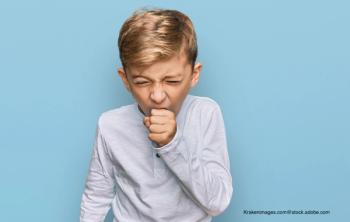
A large cohort study offers important data on what factors are frequently tied to severe cases of COVID-19 in the pediatric population.

Stopping some doctors from sharing unsound medical advice has proved challenging. Even defining misinformation has been difficult. And during the pandemic, resistance from some state legislatures is complicating the effort.
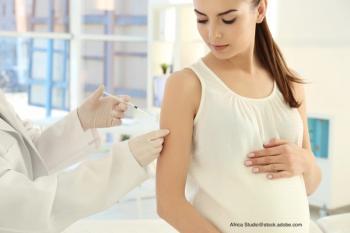
The safety of the Pfizer/BioNTech COVID-19 vaccine in pregnant women, for both mother and baby, has been dependent on observation during the rollout. A large population trial provides further support for the vaccine’s safety.

Parents who do not want their children vaccinated often declare they will homeschool their children if they are unable to get nonmedical (personal belief) exemptions. Investigators looked into whether California’s law in 2015 impacted homeschooling rates in the state.
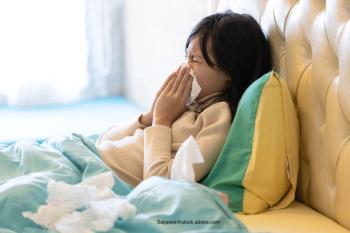
As respiratory viruses and COVID-19 variants lurk seemingly everywhere, here’s how best to detect and differentiate.
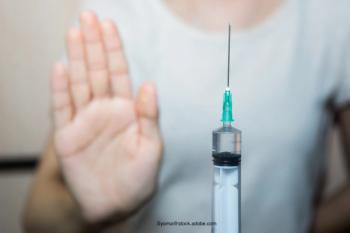
A new poll suggests that misconceptions about the flu vaccine are at a three-year high, despite the fact that more patients seem to be receiving the vaccine. Find out what physicians can do to clear the air.
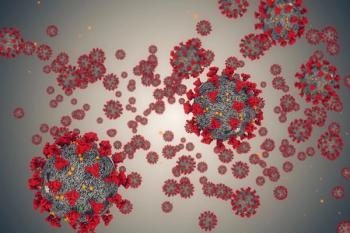
A look at how to best test for, and treat, the Omicron variant of COVID-19, to move toward ending the pandemic.

First-time visits up sharply, study finds.

The World Health Organization recently declared that boosters are not necessary for children and adolescents in good health.
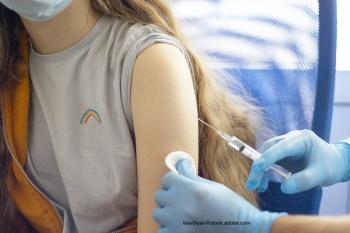
The COVID-19 vaccine protects against disease and severe effects, but can it help reduce the risk of multisystem inflammatory syndrome in children (MIS-C)?

With increased infectivity of Omicron, the Centers for Control and Prevention (CDC) has updated the guidance on the best mask types to use.
An investigation examines whether self-harm, suicide or suicidal ideation in children and adolescents saw an increase during the pandemic, as anticipated by many clinicians.
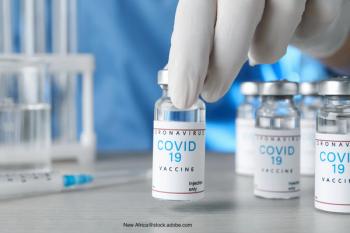
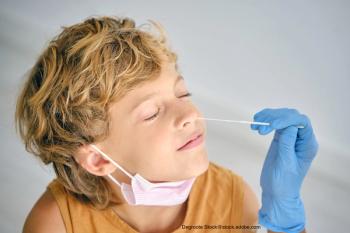
A global study examines how often severe outcomes occur within 14 days of a positive COVID-19 test occurring in an emergency department (ED).
Contemporary Pediatrics sat down with Tina Q. Tan, MD, FAAP, FIDSA, FPIDS, to discuss what's known about the variant. She also discusses the latest on the vaccine for children aged younger than 5 years.
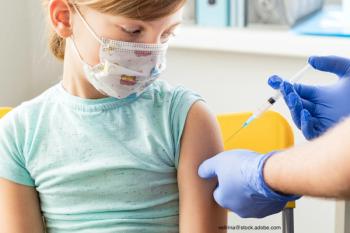
The US Food and Drug Administration (FDA) made multiple changes to the emergency use authorization for the Pfizer/BioNTech vaccine.
The pandemic led to a number of children missing out on needed vaccines. Getting them back on schedule is imperative.
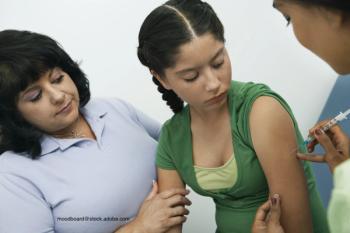
For mothers who have an experience with human papillomavirus (HPV) vaccine preventable outcomes such as a cervical biopsy or cancer, would this history make them more likely to have their child receive this vaccine? It may seem likely, but a new study raises questions about this belief.