



The great unknown caused by COVID-19 has led to many questions and few answers. The one certainty is that pediatrics will have to change in order to ensure proper care.

The great unknown caused by COVID-19 has led to many questions and few answers. The one certainty is that pediatrics will have to change in order to ensure proper care.

A report examines whether children and adolescents who have severe obesity have differences in certain psychological and behavioral attributes than their peers.

New consensus guidelines clarify the procedural guidance for investigation, certification, and reporting of sudden unexplained pediatric deaths to help medical professionals and families through these crises.

Many parents worry that when they drop their child off at day care, they are setting their offspring up for less than optimal lifelong outcomes. A Canadian investigation indicates that parents may not need to worry so much.

Recent events have highlighted how racism and discrimination harms many. The American Academy of Pediatrics has provided some guidance for parents on how to discuss the issue in an age-appropriate matter.

Parents-to-be and new parents pore over parenting guides to ensure their child has the best possible outcomes. A recent investigation examines whether interventions during childhood could produce even better results.
Benzodiazepine therapy has been liked to an increase risk of fracture in older adults. An investigation looks into whether the risk exists in the pediatric population.

Suicide has been on the rise in the pediatric population. Now a new report looks at the prevalence of suicide ideation and suicide attempts in teenagers and young adults with mental health problems.

Follow-up after hospitalization for mental illness is a measure of quality care, but how many children and teenagers are getting timely follow-up? A new report investigates.

Millions of health care workers around the world have been put into extremely stressful situations because of COVID-19. A new research letter examines how the pandemic impacted the mental health of Italian health care workers.

Bullying and suicide in the pediatric population have shown disturbing upward trends in recent years. A new investigation examines the link between the two among lesbian, gay, bisexual, transgender, and queer (LGBTQ) children and teenagers.
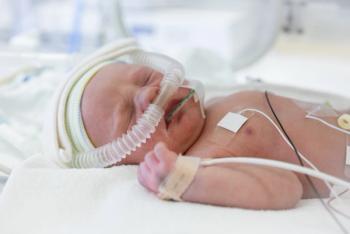
Antenatal corticosteroid treatment is standard care to mature a fetus when a preterm birth appears to be imminent. A new investigation looks at whether that exposure impacts the risk of mental and behavioral disorders in the offspring.

More acceptance of mental disorders can increase the likelihood of seeing treatment. An investigation looks at whether a curriculum could reduce the stigma surrounding mental illness in school.

New research shows that a mother’s mental illness can impact their child’s completion of recommended vaccinations.

Children with mental health disorders are visiting emergency departments (EDs) at increasing rates. A new study looks at whether the EDs can provide optimal care.

Pathological gaming has become an increasing concern as more technology ends up in the hands of teenagers. A new study looks at the incidence and effects of compulsive gaming in teenagers over time.

Adverse events in childhood have a lifelong impact. A new study provides more evidence of negative cardiovascular outcomes.
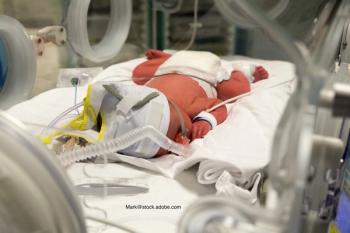
Being born very preterm (VPT) carries a number of increased risks. A new study looks at the increased risks of developing mental health disorders among children born VPR).

Suicide in children and adolescents is a serious public health problem. Researchers looked at one way to help reverse current trends.

A new study adds to previous research on the impact of exposure in utero to antidepressants.

Parents may think they are protecting their children by hiding life’s stresses, but a new study suggests that children pick up on these cues and become stressed themselves.

The complete toll of self-isolation to flatten the curve of COVID-19 remains unknown, but a new research letter from China shows that stay-at-home measures have increased depression and anxiety symptoms among children.
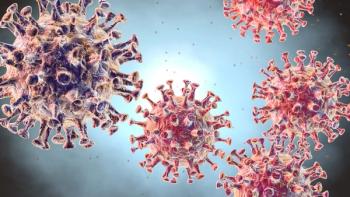
The COVID-19 pandemic continues to rage, but many questions remain. Questions like: How are children coping with the trauma many families are currently experiencing in their family lives? Are schools and pediatric offices prepared to help children and adolescents cope with their losses?

The world in which we live, work, socialize, learn, and play has turned upside down and is spinning out of control, directly related to COVID-19. Numerous questions have emerged and more emerge every day: How do we make sense of our world that changes direction within a millisecond of time?

Pediatricians can turn away from the path to physician burnout by finding their inner fire. Here are suggestions for finding that passion-and to keep smiling.