

Review some of the top stories from the Contemporary Pediatrics website over the last week, and catch up on anything you may have missed.
Review some of the top stories from the Contemporary Pediatrics website over the last week, and catch up on anything you may have missed.
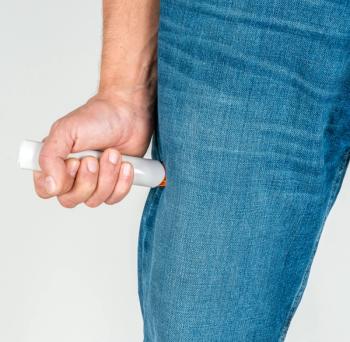
Schools without stock epinephrine were over 4 times as likely to lack a device in an allergic emergency, a survey of 349 school nurses found.

In a matched cohort of children aged 6 and younger with EoE, dupilumab was linked to less incident asthma than swallowed budesonide (10.5% vs 16.2%).

Non-English-speaking families were far less likely to introduce peanut by 6 months (OR, 0.21) in a 3,170-child study presented at ACAAI 2026.

In an ACAAI 2026 survey, 85% of clinicians knew food allergy panels often yield false positives, yet many ordered them for unvalidated uses.

Full OptIMMize-1 results show high skin clearance rates with risankizumab in children and teens with psoriasis, sustained through 52 weeks.

Classroom engagement scores in digital gradebooks predicted substance use by eighth grade better than GPA (cross-validated AUC, 0.79 vs 0.63).

Children living more than 60 miles from their surgical hospital had higher complication odds and longer stays after common procedures.

Emily Becker, MD, discusses the role of AhR agonists, skin barrier function, and steroid-free treatment options for pediatric atopic dermatitis.

Post hoc data show cariprazine improved both manic and depressive symptoms through 52 weeks in youth aged 10 to 17 years with bipolar I disorder.

CDC data show pediatric CP-CRE incidence rose 92% from 2019 to 2024, driven by NDM-CRE, mostly in children with complex medical needs.

Julie Sweetland, PhD, shares strategies to improve vaccine conversations by explaining the science, acknowledging parental concerns, and building trust.

A meta-analysis of 52 studies links NO2, SO2, and particulate matter to more pediatric atopic dermatitis visits and higher prevalence.

FDA is investigating tumor reports after Zolgensma for SMA, including 2 confirmed cases of vector integration near the GLI1 oncogene.

Jon Matthew Farber, MD, shares his thoughts on the use of noninvasive brain stimulation for ADHD.
Review some of the top stories from the Contemporary Pediatrics website over the last week, and catch up on anything you may have missed.

A meta-analysis of 7 real-world studies found maternal RSVpreF 78% effective against RSV LRTI hospitalization in infants up to 6 months.

In 5.2 million US infants, newborn vitamin K nonreceipt rose to 6.8% by 2025 and was tied to a 47% higher bleeding risk by 6 months.

New real-world data reveal delays and disparities in nirsevimab administration, highlighting opportunities to improve timely RSV protection for infants.

Jessica Nash, MD, IBCLC, shares strategies for assessing breastfeeding, identifying latch problems, and connecting families with lactation resources.
Find out the 4 FDA decisions to watch in November 2026 for pediatric care.

Michael Pistiner, MD, discusses how pediatricians can support food allergy management in schools through accurate diagnosis, emergency plans, and education.

Cenobamate sNDAs target PGTC seizures in patients ≥12 years and pediatric focal seizures; phase 3 PGTC data showed a 71.9% median reduction.

Natalie D. Muth, MD, MPH, RDN, MBA, discusses new dietary guidelines, dairy recommendations, processed foods, and nutrition access for children.

FDA approved Lupin's generic of Firdapse for LEMS in patients 6 years and older, but a patent settlement delays US marketing until at least 2035.
Jon Matthew Farber, MD, shares his thoughts on vitamin B12 and the risk of enuresis.

CDC confirmed the first pediatric flu death of 2026-27, linked to H1N1, as early flu activity rises in 2026.

Learn how to distinguish true ADHD from anxiety, trauma, sleep issues, or substance use by tracing symptoms back to childhood across settings and impairment.
A recap of the top pediatric clinical trial results and pipeline data readouts during October 2026.

A recap of the top FDA approvals, regulatory decisions, and pipeline updates affecting pediatric care during October 2026.