Lower maternal PlGF in the third trimester was tied to child ADHD in a University of Iowa cohort, independent of preeclampsia and FGR.
Get caught up with Contemporary Pediatrics! This list helps you navigate our top stories from the week, all in one place.
This week on the Contemporary Pediatrics website, we covered topics ranging from psychiatric disorders linked to adolescent cannabis use to sleep disruption in atopic dermatitis. Take a look at some of our top stories from the past week (Monday, February 23, to Friday, February 27, 2026) and click on each link to read and watch anything you may have missed.
In this Contemporary Pediatrics interview, Lynn Silver, MD, MPH, FAAP, senior advisor at Public Health Institute, discussed the clinical and public health implications of a large study examining cannabis use and mental health outcomes in adolescents.
With an adjusted hazard ratio of 2.19 for incident psychotic disorders, Silver emphasized that pediatricians should view this as a significant and concerning risk. The study adds to a growing body of evidence linking adolescent cannabis use to a doubled risk of psychotic and bipolar disorders, along with a roughly one-third increase in depression and a 25% increase in anxiety diagnoses.
These findings underscore the need for routine screening for cannabis use in pediatric practice and for proactive counseling, particularly among youth already experiencing mental health challenges. Silver noted that many adolescents mistakenly perceive cannabis as a safe, “natural” remedy for stress or anxiety, when in fact evidence suggests it may worsen these conditions.
Higher-level neonatal care plays a critical role in reducing infant mortality, particularly for newborns with complex medical needs. Emily C. Sheffield, MPH, graduate research assistant at the University of Minnesota, explains that extensive research has demonstrated improved survival outcomes for high-risk infants—such as those born preterm or with very low birth weights—when they receive care in hospitals equipped with intermediate or intensive neonatal services, including neonatal intensive care units.
Sheffield’s study examined changes in access to higher-level neonatal care between 2010 and 2022, focusing on rural and urban birth hospitals. In 2010, just over 14% of rural birth hospitals offered intermediate or intensive neonatal care. By 2022, this figure had risen slightly to nearly 17%, though the increase was not statistically significant.
In contrast, urban hospitals saw a significant rise—from 64% in 2010 to almost 75% in 2022. Importantly, the total number of birth hospitals declined in both rural and urban areas because of hospital closures and loss of obstetric services. As a result, despite a modest percentage increase in rural hospitals offering higher-level care, the absolute number declined.
According to Cynthia A. Fontanella, PhD, principal investigators at Nationwide Children’s Hospital, suicide rates among Black youth aged 10 to 24 years have more than doubled over the past decade and now represent the third leading cause of death in this population. Over the past 25 years, suicide attempt rates among Black youth have increased by approximately 75%, underscoring a growing public health crisis.
These concerning trends prompted a national study examining risk and protective factors associated with suicide among Black youth and young adults. The research identified several significant risk factors. Mental health diagnoses—particularly depression, psychosis, and schizophrenia—were strongly associated with increased suicide risk.
A history of prior deliberate self-harm emerged as one of the most powerful predictors. Additionally, youth with a history of concussions or traumatic brain injury were found to be at elevated risk. Environmental and social stressors also played a substantial role.
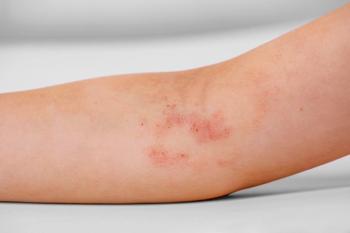
In an interview with Contemporary Pediatrics, Druhan L. Howell, MD, Organon health partner, discussed the critical role of sleep assessment in children with atopic dermatitis (AD) and highlighted new data on treatment-related improvements in sleep outcomes.
Discussing new study findings, Howell noted that clinically meaningful improvements in sleep were observed as early as week 1 and sustained through week 8 in children aged 2 years and older treated with once-daily tapinarof cream (VTAMA;Dermavant Sciences). Improvements were measured using POEM and DFI scores and paralleled reductions in itch severity, reinforcing the connection between symptom control and sleep restoration. The safety and tolerability profile remained consistent with prior studies.
Howell described newer nonsteroidal topical therapies as part of a broader shift in the AD treatment paradigm. While topical corticosteroids and calcineurin inhibitors have long been standards of care, concerns about side effects and black box warnings have sometimes limited their appeal. Nonsteroidal options such as tapinarof provide an alternative that is well tolerated and avoids some of those historical concerns, while offering early and sustained symptom improvement.
Recent national data indicate a substantial rise in child mental health conditions and persistent gaps in treatment access, according to Alyssa Burnett, MPH, PMP, project manager at the Harvard Pilgrim Health Care Institute.
Over the past several years, multiple surveys and trend analyses have shown that diagnosed child mental health conditions increased by approximately 35% between 2016 and 2023. Despite this rise, access to care has not kept pace. In 2023, a separate national dataset found that among adolescents aged 12 to 17 years who experienced a major depressive episode, 40% did not receive treatment.
Using survey-weighted national estimates, the researchers found that approximately 20% of US households with children reported that at least 1 child had a mental health treatment need. Among those households, approximately 25% reported an unmet need, meaning the child did not receive needed services.