FDA approved apitegromab-mstn (Isembyld) for SMA in patients 2 years and up, based on phase 3 data showing added motor gains with SMN2 therapy.
Morgan Ebert is executive editor Contemporary Pediatrics®. She joined the MJH Life Sciences team in December 2019. She graduated from Youngstown State University in 2019 with a bachelor's degree in journalism and a minor in political science. Prior to graduating, Morgan worked as the editor-in-chief of her college newspaper. She went on to work as an assignment editor at a broadcast news station in Youngstown, Ohio, before joining Contemporary Pediatrics. You can reach her at [email protected].
FDA approved apitegromab-mstn (Isembyld) for SMA in patients 2 years and up, based on phase 3 data showing added motor gains with SMN2 therapy.

Week 52 data from the reACHin trial show navepegritide stabilized foramen magnum stenosis and boosted growth in infants with achondroplasia.

Phase 3 CANOPY-HCH-3 data show vosoritide significantly improved growth velocity, height, and arm span in children with hypochondroplasia.

A CDC-backed CHAMPS surveillance report across 7 countries finds 80% of child deaths were preventable, with gram-negative bacteria driving neonatal sepsis.

Semaglutide plus lifestyle changes moved 40.4% of children below the obesity threshold at 68 weeks in the phase 3 STEP Young trial.

Persephone's ARTEMIS trial found its Bifidobacterium-HMO synbiotic safe and effective at gut colonization in 114 infants and toddlers.
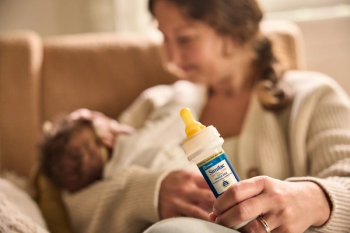
Abbott launches Similac 360 Total Care Made With Whole Milk, the first commercially sterile, ready-to-feed liquid formula made with whole milk sold in the US, priced near its powdered line.

A recap of the top FDA approvals, authorizations, and regulatory decisions affecting pediatric care during August 2026.
The FDA approved zilganersen (Zanvastro) for Alexander disease in patients from infancy through adulthood, based on Phase 1-3 gait speed data.

CDC's 2025 NIS-Teen data show HPV vaccine coverage flat for a fourth year, with rural adolescents 12 points behind urban peers in receiving ≥1 dose.

The AAP's 2026-2027 policy recommends universal vaccination for infants 6-23 months and a risk-based single dose for children 2-18 years.

Independent review of hundreds of studies finds flu vaccine 80% effective against pediatric death; RSV and maternal immunization cut infant hospitalizations.

AAP guidance expands RSV immunization eligibility for children aged 8 through 19 months at high risk of severe disease.

Take a quick look at everything you may have missed in August, including the top FDA approvals and latest clinical updates.

CDC has declared the Nara Organics infant botulism outbreak over; genetic testing ties it to the 2025 ByHeart outbreak.
The FDA has approved Tivicay PD (dolutegravir) to treat HIV-1 in newborns from birth, based on IMPAACT 2023 pharmacokinetic and safety data.

FDA De Novo authorization establishes Avulux lenses as an option for migraine-associated light sensitivity in patients aged 12 years and older.
FDA authorized Abbott's Libre Duo 10 Day, the first wearable that continuously tracks glucose and ketones, for patients 2 and older with diabetes.
FDA approved nipocalimab (Imaavy) for wAIHA in patients 12 and older, based on Phase 2/3 ENERGY trial data on durable hemoglobin response.

Nine societies outline 6 domains of hospital-level sepsis strategies, from rapid blood culture diagnostics to daily toothbrushing protocols.

Higher parent smartphone use was associated with slower vocabulary growth from ages 5 to 7 years in a prospective cohort study.

Infliximab or steroids may be more effective than anakinra as adjunctive therapy for children with MIS-C who do not respond to IVIG.
FDA granted priority review to Teva's ecopipam for pediatric Tourette syndrome, backed by phase 3 data showing reduced relapse risk.

Starting antiviral therapy within 48 hours of influenza symptom onset was associated with an 81% lower hospitalization risk in children.

A microbial metabolite, isovalerate, and its precursor leucine restored gut barrier function in malnourished mice, a preclinical study found.

A Rutgers-led study finds teens who follow beauty influencers or watch tutorials use significantly more personal care products, many containing endocrine-disrupting chemicals.

Pediatric psychologist Jeff Temple, PhD, explains how pediatricians can help families establish healthy routines and more intentional screen use.

A meta-analysis of 190 studies and 2.8 million children pinpoints eczema, delayed allergens, and antibiotics as top food allergy risks.

In 38 late preterm/early-term dyads, breast milk composition shifted by week 8 while maternal gut stayed stable, and infant gut Bifidobacterium rose.

New approvals and emerging data are expanding nonsteroidal topical treatment options for several chronic pediatric skin conditions.

September 2nd 2026

May 9th 2022