




Respiratory
Latest News
Advertisement
Latest Videos









Shorts

0:49
Why inhalers aren't enough in pediatric asthma
5 months ago
by
Jonathan Gabbay, MD

0:38
Dogs vs cats: How pets influence home allergens
7 months ago
by
Akihiro Shiroshita, MD, MPH

0:52
Surprising factors linked to childhood asthma risk
7 months ago
by
Akihiro Shiroshita, MD, MPH

0:31
The reality of the 3-month cough
8 months ago
by
Matt Thomas, MD
0:39
Cold or whooping cough? How to tell the difference
8 months ago
by
Matt Thomas, MD
0:21
Will my child have asthma forever?
8 months ago
by
Shilpa J. Patel, MD, MPH
0:26
Why asthma medication doses can change frequently
8 months ago
by
Shilpa J. Patel, MD, MPH(+1 more)

0:27
Why middle schoolers hide their asthma inhalers
a year ago
by
Richard Wong, DO(+1 more)

Advertisement
More News

Donna Hallas, PhD, PPCNP-BC, CPNP, PMHS, FAANP, FAAN, shares her thoughts on how PNPs can implement evidence-based strategies to encourage parents to vaccinate their children.

In this video, part 2 in a 3-part series, panelists discuss clesrovimab's recent approval and gaps in clinician education.
In this video, the first in a 3-part series, panelists discuss recent advancements in RSV management.

The authors noted that comparisons between PDA management strategies is crucial for informing optimal approaches to the PDA.

The AI-enabled, wearable device is the first FDA-approved, drug-free solution for nasal congestion and allergies in children ages 12 and up.

These findings come as many health care professionals still report limited confidence and inconsistent practices regarding RSV immunization discussions.

Get caught up with Contemporary Pediatrics! This list helps you navigate our top stories from the week, all in one place.

Albuterol-budesonide (Airsupra; AstraZeneca) resulted in a 47% reduction in severe exacerbations in mild asthma vs albuterol alone.

Severe RSV disease in 2022–2023 was most likely to occur in infants under 6 months and older children with pulmonary or neurologic conditions.

"Early identification of high-risk neonates may enable targeted strategies to support respiratory health," stated the study investigators.
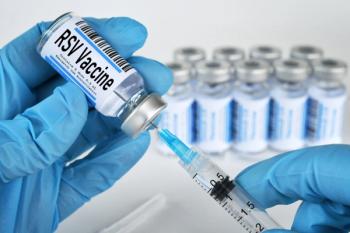
"These findings support Advisory Committee on Immunization Practices’ recommendations for maternal vaccination or nirsevimab to protect against severe RSV disease in infants," wrote the MMWR study investigators.
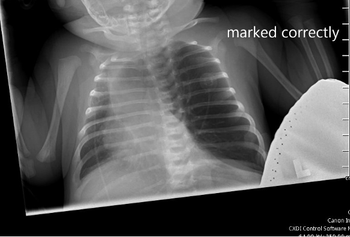
On physical examination, the patient appeared to be in significant respiratory distress. Her oxygen saturation was 96% on high-flow nasal cannula.

Current prevention strategies include 2 injectables for infants and young children, namely palivizumab and nirsevimab.
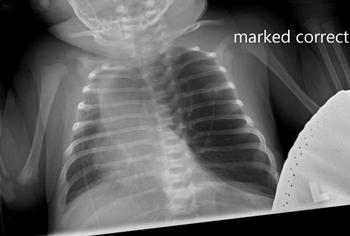
Can you diagnose this patient? Take our poll and find out! Then check back for the full case, differential diagnosis, and correct diagnosis.
Nirsevimab significantly reduces RSV-related hospitalizations, ICU admissions, and LRTIs in infants, but doesn’t shorten hospital stays, according to a recent study.

"We've updated our internal clinical pathways to recommend 5 days for kids hospitalized with uncomplicated pneumonia," Cotter noted.

Jennifer Nestor, MD, evaluated a digital stethoscope to validate pediatric breath sound recordings for potential machine learning algorithm development.

The World Bank Group reports that as this global health emergency escalates, devastating impacts on health and well-being will also accelerate.

A new study published in JAMA Open Network suggests that early-life exposure to ambient ozone (O3) may contribute to an increased risk of asthma and wheeze in young children.
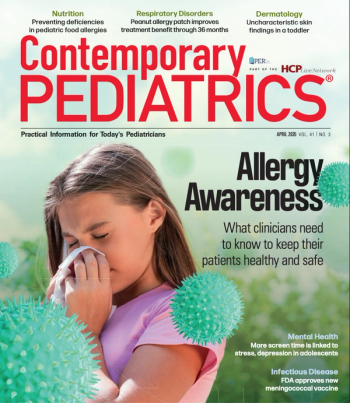
Editor-in-chief Tina Tan, MD, FAAP, FIDSA, FPIDS, highlights the April, 2025, issue of Contemporary Pediatrics, with a special focus on pediatric allergy awareness.

Submission is based on 3 clinical trials, including data from the ApproaCH Trial among children with achondroplasia.
5 pediatric FDA decisions to watch for in Q2 2025
Published: | Updated:
A look ahead to 5 key regulatory decisions scheduled to take place during the second quarter of 2025, from a monoclonal antibody to topical psoriasis treatments.

Karen Y. Capusan, DNP, CPNP-PC, explored RSV’s shifting epidemiology, seasonal trends, and new vaccines’ role in reducing hospitalizations at the 2025 NAPNAP National Conference.

Mary Koslap-Petraco, DNP, PPCNP-BC, CPNP, FAANP, highlighted key updates on influenza, COVID-19, and RSV vaccines at the 2025 NAPNAP National Conference.

A presentation at the 46th National Association of Pediatric Nurse Practitioners (NAPNAP) conference explored the role of biologics in pediatric care, their applications in various conditions, and safety considerations for clinicians.
Advertisement
Advertisement
Trending on Contemporary Pediatrics
1
FAQ: What's new in COVID-19, RSV, and flu guidance?
2
Teen sports supplements: What to recommend, use with caution, and avoid
3
FDA approves apitegromab-mstn as first muscle-targeted therapy for spinal muscular atrophy
4
XOCOVA offers new post-exposure COVID-19 prevention option for adolescents
5