



With COVID-19 still at large, pediatricians should prepare for a tough allergy season.
With COVID-19 still at large, pediatricians should prepare for a tough allergy season.

Merck has released promising topline results from their study of VAXNEUVANCE™, a 15-valent pneumococcal conjugate vaccine, in infants.
Vaping has led to some serious erosion in the campaign to end adolescent nicotine use. What drives vaping cessation in this population?

Climate change means more than stronger, more ferocious weather and hard-to-contain wildfires. Here's what it means for allergies.
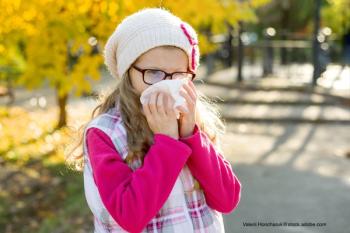
Just because the weather cools down in the Fall months, doesn't mean that respiratory allergies are done. Here's a look at some of the best respiratory allergy remedies.
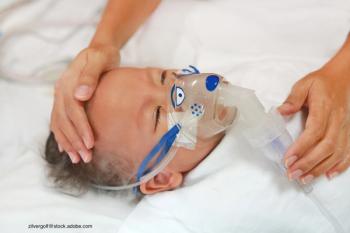
Respiratory syncytial virus (RSV) usually has a similar season as influenza. However, face masks and social distancing have altered the timeline. The American Academy of Pediatrics (AAP) has released guidance for using palivizumab during this interseason period.

A previously healthy 16-year-old female patient presents with intermittent pleuritic chest pain and shortness of breath. The night before her symptoms started, she hit her chest on a door after a "fainting" episode.
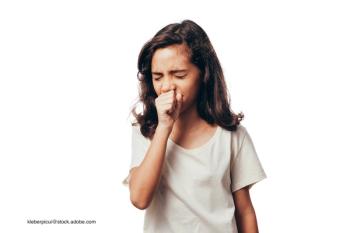
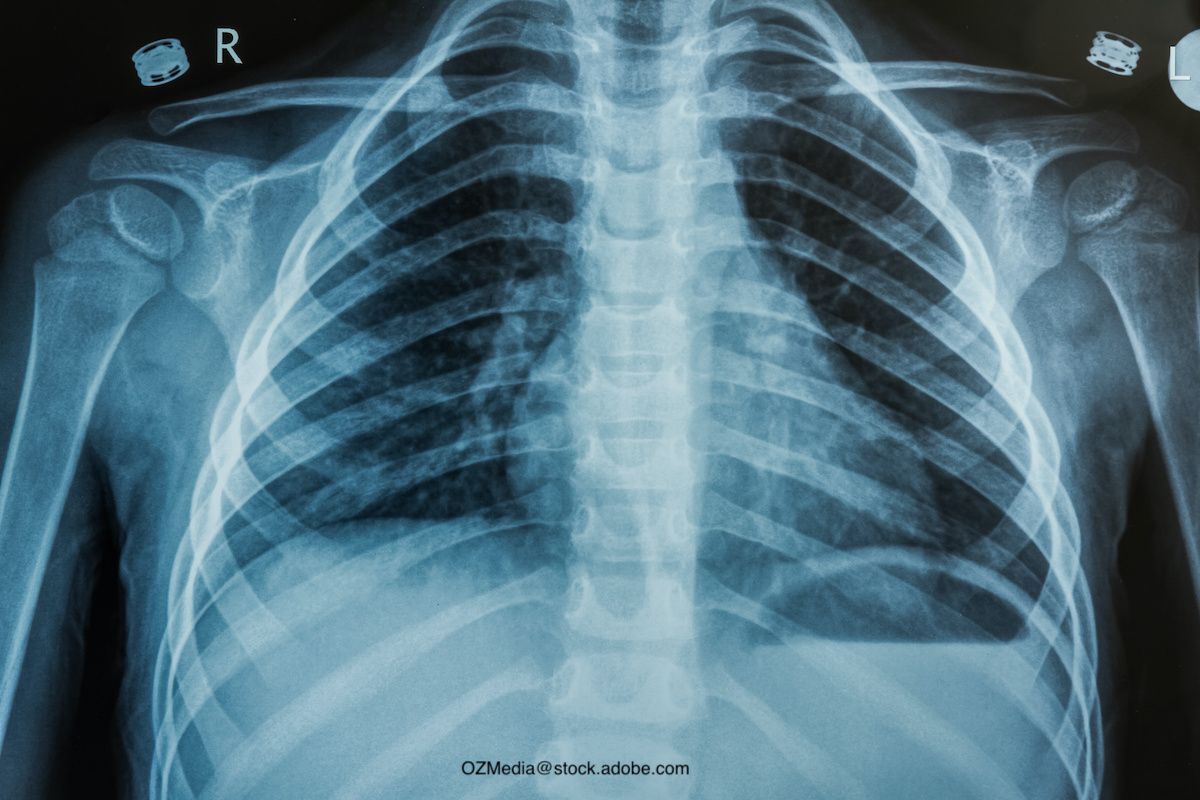
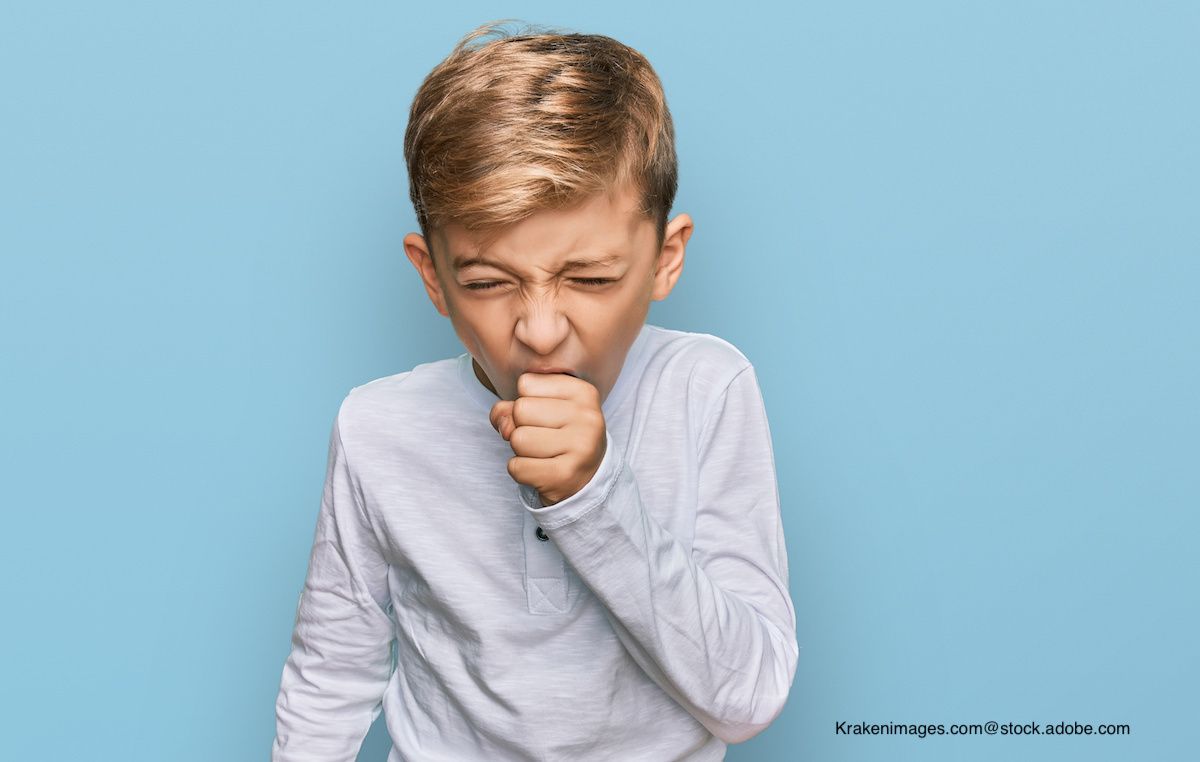
Cough is a common reason for pediatric visits. When should bronchitis be on the diagnostic radar?

Vitamin D supplement use has been suggested to improve a variety of health outcomes. A report investigates whether it can aid in providing better asthma control.

Intravenous (IV) magnesium sulfate is recommended for treating refractory pediatric asthma, but is it linked to consequent hospitalization?

A report offers the first epidemiological data that applied new criteria for bronchopulmonary dysplasia.
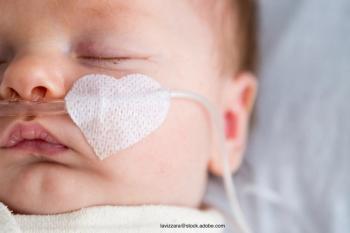
A report examines the trends in bronchiolitis, which is a common respiratory illness in children, including hospitalization needs.
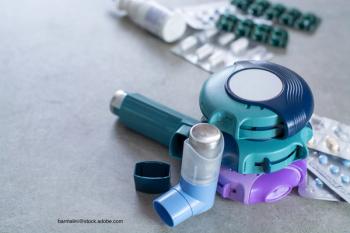
New recommendations and treatment options for this common condition in children.

Social and family factors can have a large impact on a child’s health outcomes. A report examines how they can impact respiratory syncytial virus hospitalization.

The push to responsibly use antibiotics has led to shorter treatment courses when the efficacy is similar to a longer one. A study examines whether shorter courses could be effective in treating community-acquired pneumonia.
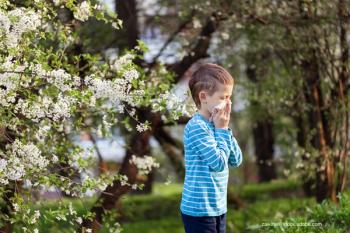
It’s springtime, which means flowers are blooming and children sneezing. Here’s a quick refresher on seasonal allergy diagnoses and prescriptions.
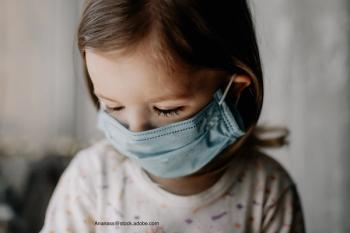
Many mask mandates don’t require young children to wear masks. A new investigation indicates that young children can wear masks without any respiratory distress.
A study examines whether using lung ultrasound would be an effective way to help diagnose bronchiolitis.
A study examines whether a clinician can diagnose respiratory syncytial virus (RSV) from how a child's cough sounds.

In 2006 the American Academy of Pediatrics issued guidance urging providers to not use nonrecommended tests and treatments for bronchiolitis. Further guidance in 2014 offered further clarification. An investigation examines whether the guidance led to better outcomes.

Ubiquitous in consumer products like plastic food containers, bisphenols have been linked to pediatric asthma. A report examines whether the substance has ties to asthma morbidity.
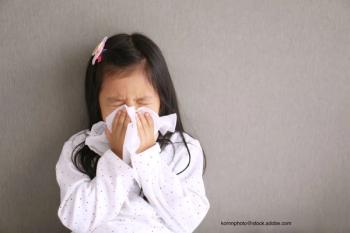
Traditional flu season has collided with the pandemic. Here’s what you need to know.
A study examines the efficacy of treating asthma with albuterol administered with metered-dose inhalers.

Dr Anna Mandalakas, professor of pediatrics and tropical medicine at Baylor College of Medicine in Houston, Texas, looks at the 2 screening methods available for latent tuberculosis in children, what the preferred tests have been according to the American Academy of Pediatrics Red Book, and a new study that takes a look at both testing methodologies, to compare efficacy.

Originally marketed to help adults quit smoking, electronic nicotine delivery systems have also been seen as a way of getting teenagers hooked on nicotine. An investigation offers some insight.