





Respiratory
Latest News
Advertisement
Latest Videos








Advertisement
More News
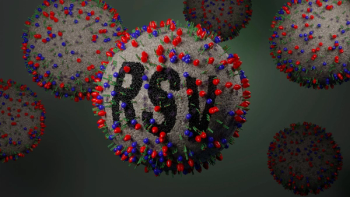
Cohort analysis shows the rate of RSV hospitalizations among children up to 5 years old skyrocketed in 2021—and then nearly doubled again in 2022—compared to pre-pandemic rates.

The monoclonal antibody was approved by the FDA on July 17, 2023 and quickly saw high demand at the onset of the RSV season.

Juanita Mora, MD, breaks down the FDA approval of benralizumab as an add-on maintenance therapy among patients with severe asthma aged 6 to 11 years.
The FDA approval of benralizumab for patients ages 6 to 11 with asthma follows the conclusions of the phase 3 TATE study.

"Our findings provide evidence for a direct association between maternal smoking during pregnancy and wheeze occurrence," wrote the authors.

Lauren Flagg, DNP, APRN, CPNP-AC, discusses severe refractory status asthmaticus based on a session presented at the NAPNAP National Conference.
The pediatric approval to treat CABP is 1 of 3 indications approved by the FDA.

Insights between the pandemics, with a highlight on the dose-response relationship, "could be valuable in preparing health care systems for future pandemics," concluded the investigators.
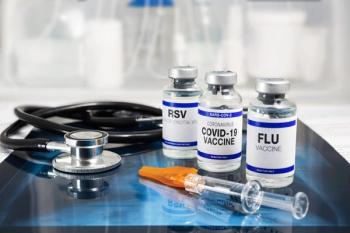
The investigators concluded that age-related risk differences "highlight the necessity for tailored strategies, improving understanding of and treatment development for RVIs."

Traci Gonzales, MSN, APRN, CPNP-PC, explains her session presented at the 2024 NAPNAP National Conference, highlighting the ability to diagnose and manage uncommon causes of chronic respiratory symptoms.

Investigators observe determinable and likely harmful levels of metabolite on children exposed to their parents' secondhand e-cigarette vapors.
Though a small number of infants received nirsevimab in the analysis, results support existing nirsevimab recommendations to prevent serious RSV disease in infants.

Guidance now aligns with isolation recommendations for influenza and other respiratory illnesses.

Procalcitonin can be useful for point-of-care testing in patients with influenza-like illness and a prolonged fever, guiding the indication for a chest radiograph while helping to avoid radiation exposure.
The twice-daily oral corticosteroid is indicated for 12 weeks of treatment.

Nirsevimab was approved by the FDA on July 17, 2023, ahead of the traditional RSV season, though in October, the Centers for Disease Control and Prevention (CDC) recommended it be prioritized for the highest-risk infants amid limited availability.

Vivian Hernandez-Truillo, MD, FAAP, FAAAAI, FACAAI; and Theresa Bingemann, MD, provide reaction and commentary regarding recently FDA-approved dupilumab to treat EoE in pediatric patients aged 1 to 11 years.

There are reports that prophylaxis with ibuprofen in the first 12 to 24 hours of life can reduce the risk of severe intraventricular hemorrhage and pulmonary hemorrhage. However, it has not been found to increase survival without neurosensory impairment at 18 months.

A new study shows that, among the tridemic viruses, RSV was the leading cause of pediatric hospitalizations.

Main factors contributing to the hospitalization of pediatric patients with influenza A were abdominal pain, viral co-infection and some hematological abnormalities.

Steven Selbst, MD, provides an update as to what he is seeing in the emergency department related to influenza, RSV, and COVID-19.
In a recent panel, clinicians discussed rising cases of respiratory syncytial virus (RSV), vaccination challenges, and the urgent need for public awareness and intervention strategies in the 2023 to 2024 season.

“However, in older children, the decision to perform a lung biopsy should be carefully considered, weighting the potential benefits against the associated risks," stated the investigative team.

Review some of the top stories from the Contemporary Pediatrics website over the last week, and catch up on anything you may have missed.
In the final installment of our RSV Roundtable video series, our panel breaks down the importance of discussing new immunizations with patients now, and how crucial they will be in future RSV seasons.
Advertisement
Advertisement
Trending on Contemporary Pediatrics
1
Abbott launches first ready-to-feed whole milk infant formula in the U.S.
2
FDA news in pediatrics: August 2026
3
The unharmonious 2026 child and adolescent immunization schedule
4
Bifidobacteria Decline: Causes and Consequences for Infant Gut Health
5