





An investigation examines which infants might require screening before peanut introduction.
An investigation examines which infants might require screening before peanut introduction.

Spending time around animals as an infant has been suggested as a way to reduce the incidence of atopic dermatitis. An investigation offers some insight.
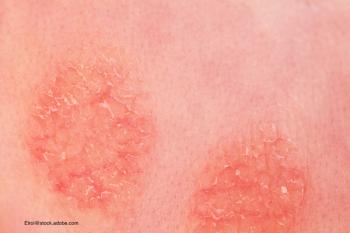
Atopic dermatitis treatment has dramatically changed over the years. Here’s a look at the current options.

The US Food and Drug Administration has approved dupilumab (Dupixent, Sanofi and Regeneron) for the treatment of moderate-to-severe atopic dermatitis in children aged 6 to 11 years.
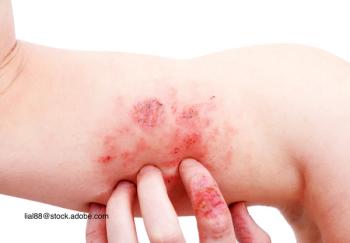
Postpartum depression has a number of profound effects. A new study indicates that postpartum depression could increase the risk of atopic dermatitis, especially at ages 5 and 9 years.

Food allergies are a hot topic on the playground, at schools, and in pediatric offices. Parents of children with eczema or atopic dermatitis (AD) often have a lot of questions regarding the connection between eczema, exposure to common food allergens, and the development of or exacerbation of AD. There are many of the complex questions that clinicians must answer when evaluating pediatric patients with AD.

Recommendations for whether to test for and treat food allergy in the setting of atopic dermatitis have changed.
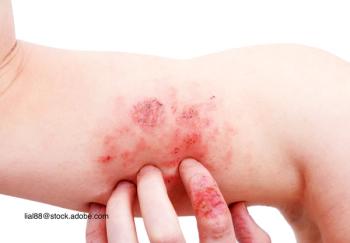
Pediatricians should consider family history of atopic dermatitis (AD) in both parents to help frame the risk for their offspring.

For diseases such as atopic dermatitis (AD) that require complex care, colorful infographics take the guesswork out of patient education.

Children with atopic dermatitis (AD) will go to great lengths to hide their skin. Here’s how referring them to a pediatric psychologist can help them be their best self, even with AD.

For Contemporary Pediatrics, Dr Bobby Lazzara discusses a study published in JAMA Pediatrics that examined how atopic dermatitis impacted the sleep quality and duration of the 14,000 study participants.

New research examined the potential role of Gram-negative skin bacteria in the pathogenesis and exacerbation of eczema, and their effectiveness to treat it.