





Many young athletes are interested in resistance training, and a policy statement update from the American Academy of Pediatrics (AAP) addresses how they can safely participate.

Many young athletes are interested in resistance training, and a policy statement update from the American Academy of Pediatrics (AAP) addresses how they can safely participate.

Although the majority of patients with cystic fibrosis (CF) will be managed by specialty care, the primary care provider is often the first line of contact for many routine concerns. When encountering a patient with CF in the primary setting, there are extrapulmonary symptoms that must be considered in patients, which includes gastrointestinal symptoms.

Significant improvements in cystic fibrosis (CF) care have focused primarily on the pulmonary system, but addressing the gastrointestinal complications of CF presents a major opportunity for improvement in disease management.

Of 973 preschool-aged children with acute gastroenteritis who visited 1 of 10 geographically diverse pediatric emergency departments (EDs), those who received a 5-day course of Lactobacillus rhamnosus GG, a commonly recommended and used probiotic, did not have better outcomes than those who received placebo, a prospective, randomized trial found.

Here is helpful advice gleaned from my experiences with C diff, diarrhea, colic, reflux, and other things gastroenterological.
Functional constipation in children is no news to pediatricians. What may be news is that recommendations on how to diagnose and treat this common malady keep evolving as more evidence becomes available.
Social media may play a role in helping children overcome obesity. Health care professionals are encouraged to use new recommendations as a tool for promoting healthy behavioral change.

Type 2 diabetes, once considered a disease of “adult onset,” is highly resistant to treatment in overweight American youth-a group succumbing to the disorder at an alarming rate.
Hypercholesterolemia, atherosclerosis, and coronary artery disease are ever-growing problems in our society. While these “adult” medical issues rarely concerned pediatricians in the past, it is now well recognized that these troublesome processes begin in childhood.

It is midwinter. I’m tired of the cold weather and the white stuff falling from the sky. Lately, I’ve been thinking about another type of white stuff that often gets a bad rap-white rice and white foods in general. Rice cereal has a special significance for pediatric health care providers because it is typically the first solid food that is recommended for the 4 to 6 month old. Recently, I read about a pediatrician who is encouraging the use of brown rice cereal or a homemade brown rice mash or vegetable puree, instead of white rice cereal.
Obstructive sleep apnea (OSA) has a high prevalence in the pediatric population and is associated with significant morbidity, both physical and in the realms of development, cognition, behavior, and school performance.
Type 1 diabetes mellitus (T1DM) is the most common type of diabetes encountered in children. The incidence of T1DM in children is increasing in some populations. Early recognition of symptoms of T1DM is critical to avoid life-threatening metabolic decompensation. Such symptoms can include polyuria, polydipsia, fatigue, weight loss, urinary tract infection, vaginal candidiasis, and “fruity” breath. In the presence of clinical symptoms of hyperglycemia, diagnosis requires just 1 laboratory blood glucose measurement above the established threshold for the child’s age. In the absence of typical symptoms, a second abnormal blood glucose measurement on a different day is needed.
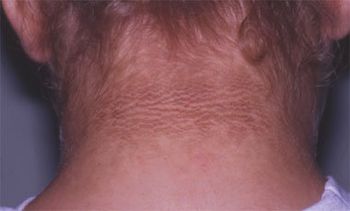
A 5-ft 1-in, 183-lb 14-year-old girl was concerned about the areas of thickened hyperpigmentation on her posterior neck and in her cleavage.
In his plenary address of October 19, Dr Robert H. Lustig delivered a powerful, scientifically rigorous indictment of the central role of fructose in the current epidemic of childhood obesity.
Attention-deficit/hyperactivity disorder (ADHD) is the most common mental health disorder treated by pediatricians.1 Some pediatricians may not have the training, clinical experience, or time to adequately evaluate and treat children with ADHD-and most may feel their skills are insufficient in children with medication treatment resistance, comorbid psychiatric illnesses, or complex family dynamics.
Measurement of body mass index (BMI) is an effective way to screen for obesity and is an important part of the routine health evaluation of all children. A fasting blood sugar test is recommended for obese children 10 years and older who have a BMI above the 85th percentile for their age and sex and 2 high-risk criteria for diabetes (eg, positive family history or signs of insulin resistance). Patients with a BMI at the 85th percentile or higher also require screening for other comorbidities. Such screening includes measurement of waist circumference, blood pressure, lipid levels (specifically, levels of high- and lowdensity lipoprotein cholesterol and triglycerides, as well as total cholesterol), and liver transaminase levels.
ABSTRACT: Polycystic ovary syndrome (PCOS) is the most common endocrinopathy among females of reproductive age. In adolescents, PCOS often manifests with irregular menses, hirsutism, and acne. Despite general agreement that the metabolic derangements of PCOS arise during puberty, the condition is diagnosed more often in adults than in adolescents. Treatment is focused on weight loss, menstrual cycle regulation, and amelioration of physical symptoms. Acute symptoms can be managed with combination oral contraceptives and antiandrogens and potentially with insulin-sensitizing drugs. Lifestyle modification, especially in overweight patients, can reduce symptoms and help prevent long-term health consequences.
Polycystic ovary syndrome (PCOS) isthe most common endocrinopathyamong reproductive-aged women; theprevalence is about 5% to 10%.
Key words: type 2 diabetes melllitus, childhood obesity
Consultations & Comments: