

Phase 3 SMART data support the safety of clesrovimab in infants and children at increased risk for severe RSV disease across 2 seasons.
Phase 3 SMART data support the safety of clesrovimab in infants and children at increased risk for severe RSV disease across 2 seasons.

Revised Anaphylm packaging cut pouch-opening time from 17 to 3 seconds, and self-administered PK matched clinician-administered data.

A pediatric pain specialist says a dedicated procedure suite helps deliver faster, more individualized chronic pain care while restoring function.
Phase 3 SMART trial found clesrovimab was well tolerated in high-risk infants through 2 RSV seasons, with safety comparable to palivizumab.
A pediatric pain specialist says multidisciplinary care and family engagement are key to restoring function in children with chronic pain.

A collaborative mental health program increased pediatricians' diagnosis, follow-up, and treatment of anxiety and depression in primary care.
A pediatric pain specialist says multidisciplinary care and family engagement are key to restoring function in children with chronic pain.

FDA accepted Merck's sBLA extending ENFLONSIA (clesrovimab-cfor) to high-risk children under 2 in their second RSV season.
An interventional pain specialist says pediatricians can improve outcomes by recognizing chronic pain early and referring children before disability worsens.

A look back at the FDA approvals, regulatory decisions, and pipeline updates in the pediatric health care space from July 2026.

Find out the correct diagnosis of this 19-year-old boy with Down syndrome and progressive loss of communication.
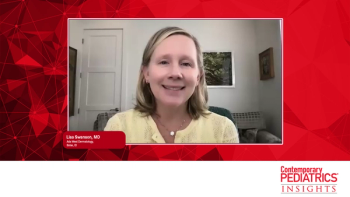
Lisa Swanson, MD, acknowledges that the decision to refer a patient with AD to a dermatologist or allergist is highly individualized, shaped by each pediatric clinician's own comfort level with skin disease.
Lisa Swanson, MD, describes the framework she uses at follow-up visits to judge whether a topical steroid regimen is succeeding.
A look back at the latest clinical trial updates for the pediatric population during July 2026.


Help families enjoy summer cookouts: reduce choking risks, follow safe temps, and encourage balanced eating without pressure or food battles.

This FAQ breaks down the AAP's updated pediatric drowning prevention policy, covering supervision, water competency, life jackets, and rescue.

A large prospective US cohort study found no evidence that neonatal medical male circumcision was associated with autism diagnosis or autism traits.
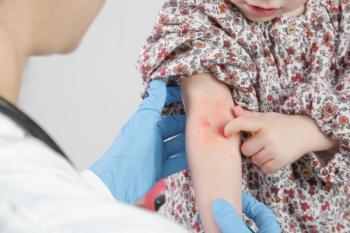
A systematic review found chronic pediatric skin disorders are consistently associated with psychological distress, reduced quality of life, and caregiver burden.
Lisa Swanson, MD, narrows in on severity assessment tools that are actually practical for a busy pediatrics office, as opposed to the more elaborate scales used in clinical trials.

A scaly patch on a baby's scalp could be cradle cap — or the first sign of a lifelong condition. Lisa Swanson, MD, walks through the exact clues that tell the two apart.

Poison center data show most water bead ingestions are mild, but children younger than 2 years face higher risk for serious outcomes.
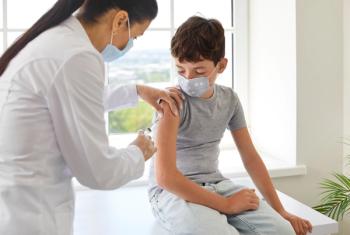
A 173-mother cohort study found parenting role models—not income alone—drove the link between maternal education and COVID-19 vaccination intent.

CTx-1301 improved clinician-rated ADHD symptoms versus placebo in a phase 3 pediatric trial, but detailed safety data remain limited.

Many families with a first-degree history of type 1 diabetes underestimate their risk, highlighting opportunities for pediatricians to discuss screening.

A California study found rising pediatric e-bike injuries, prompting calls for pediatricians to counsel families on safe riding and helmet use.

Pediatric psychologist Jeff Temple, PhD, says healthy routines, parental modeling, and child maturity matter more than screen time alone.

Corresponding author Cynthia Gyamfi-Bannerman, MD, MS, says late preterm hypoglycemia did not adversely affect neurodevelopment.
Temple recommends structured back-to-school routines and intentional screen use instead of strict limits to support child well-being.

Ensitrelvir adds an FDA-approved COVID-19 postexposure prophylaxis option for adults and adolescents aged 12 years or older.