



Respiratory
Latest News
Advertisement
Latest Videos






Shorts

0:44
The danger of unequal vaccine access
a month ago
by
Ravi Jhaveri, MD

0:41
Is spacing out vaccines actually safer?
a month ago
by
Ravi Jhaveri, MD

0:47
Why insurance companies actually love vaccines
a month ago
by
Ravi Jhaveri, MD

0:20
Why you should trust your doctor over TikTok influencers
2 months ago
by
Ravi Jhaveri, MD

0:46
Why measles is making a dangerous comeback
2 months ago
by
Ravi Jhaveri, MD
0:30
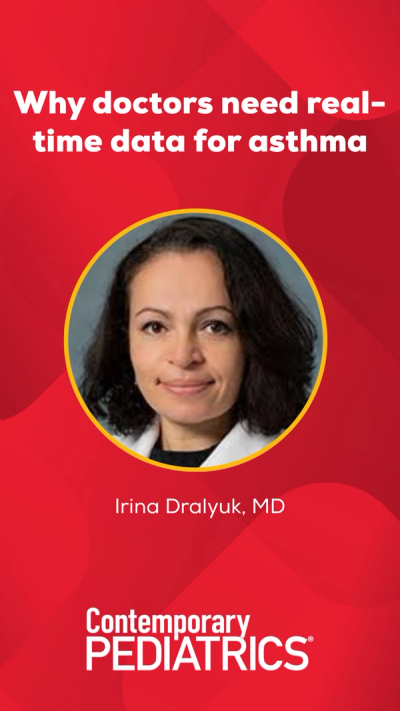
Why doctors need real-time data for asthma
3 months ago
by
Irina Dralyuk, MD

0:34
The future of asthma care is in your hands
3 months ago
by
Irina Dralyuk, MD
0:41
Why home health monitoring is a game changer for parents
4 months ago
by
Irina Dralyuk, MD

0:46
How home tech prevents emergency hospital visits
4 months ago
by
Irina Dralyuk, MD

0:45
Predicting asthma attacks before they happen: A medical breakthrough
4 months ago
by
Irina Dralyuk, MD
Podcasts



Advertisement
More News

Independent review of hundreds of studies finds flu vaccine 80% effective against pediatric death; RSV and maternal immunization cut infant hospitalizations.
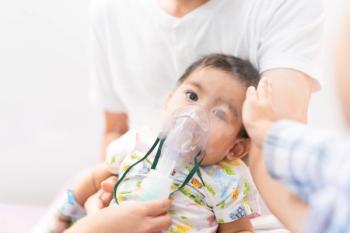
AAP guidance expands RSV immunization eligibility for children aged 8 through 19 months at high risk of severe disease.
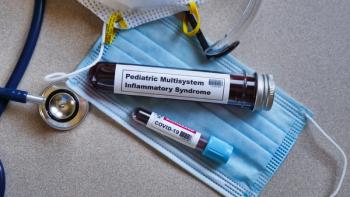
Infliximab or steroids may be more effective than anakinra as adjunctive therapy for children with MIS-C who do not respond to IVIG.
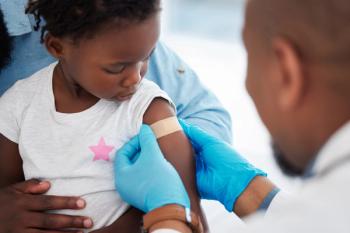
Executive order seeks to trim routine childhood vaccines, split combination shots, and push parent-doctor decisions—sparking debate as measles surges.

FDA accepted Merck's sBLA extending ENFLONSIA (clesrovimab-cfor) to high-risk children under 2 in their second RSV season.

Alesia McKeown, PhD, of Roche Diagnostics discusses why pertussis is missed in children and adolescents and how PCR testing can help.

A 10-year King County study found MMRV was the first vaccine for 15% of children who were disproportionately Hispanic, Black, or VFC eligible.

Vertex reported phase 3 ALYFTREK data in children aged 2 to 5 years with cystic fibrosis and responsive CFTR genotypes.
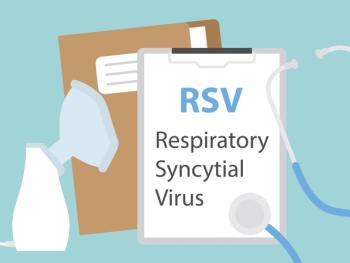
French data suggest dual RSV immunization with RSVpreF and nirsevimab was associated with low infant RSV hospitalization rates.

Data presented at PAS 2026 show that specific neighborhood factors—not overall scores—drive asthma outcomes, pointing to targeted interventions for reducing ED visits.
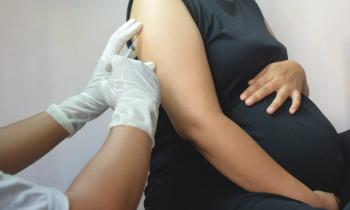
Maternal RSV vaccination and nirsevimab were linked to lower infection rates and reduced severity in infants younger than 6 months.

Fewer pediatric lung transplants are expected worldwide because of advances in cystic fibrosis therapies, but remaining cases are becoming more complex.

In a longitudinal pediatric cohort, elexacaftor/tezacaftor/ivacaftor was associated with increased vitamin D levels and altered vitamin A supplementation response.

Findings by Conall Watson, PhD, MSc, highlight that maternal RSV vaccination significantly reduces infant hospitalizations—even when given late in pregnancy.

A nationwide analysis of nearly 300,000 infants found that maternal RSV vaccination reduced severe infant hospitalizations by over 80%.

An analysis found nirsevimab was associated with substantial reductions in RSV-related hospitalizations among preterm infants and those with congenital heart disease.

New consensus recommendations outline diagnostic strategies and management considerations for recurrent wheezing in children younger than 3 years.

Perry Rosen, MD, offers essential guidance for clinicians on prevention and emergency management of pediatric nicotine poisoning.
A 7460% increase in pediatric inhalation exposures since 2016 highlights the need for child-resistant designs and updated parental guidance.

A trial found that high-frequency oscillatory ventilation is a promising first-line therapy that significantly lowers the risk of bronchopulmonary dysplasia.

Economic instability, food insecurity, discrimination, and low social support were associated with increased odds of pediatric long COVID.

Influenza antiviral treatment declined significantly among hospitalized children after COVID-19, highlighting gaps in guideline-recommended care.

A study found that a nirsevimab immunization program reduced RSV-related hospitalizations by 85.9% in the first season and 55.3% in the second.

Part 4 highlights how expanding epinephrine delivery options can reduce barriers, support earlier administration, and improve real-world anaphylaxis outcomes.
In this segment, experts emphasize the importance of giving an infant experiencing anaphylaxis epinephrine at whatever dose may be available rather than delaying treatment.
Advertisement
Advertisement
Trending on Contemporary Pediatrics
1
Type 1 diabetes update: Immune therapy, screening, and new technology
2
AAP renews call for raw milk sales ban, cites emerging H5N1 risk
3
Probiotics in pediatrics: Evidence, product quality, and safety
4
Constipation may be an overlooked driver of urinary symptoms in children
5