




At the SPD 2022 47th Annual Meeting, we chat with Albert Yan, MD, of Children's Hospital of Philadelphia on the latest trends in technology for pediatric dermatologists.
At the SPD 2022 47th Annual Meeting, we chat with Albert Yan, MD, of Children's Hospital of Philadelphia on the latest trends in technology for pediatric dermatologists.

At the SPD 2022 47th Annual Meeting, a recap of don’t-miss sessions for Sunday, July 10.

At the SPD 2022 47th Annual Meeting, a very funny—and informative—discussion on the pros and cons of telehealth in dermatology.

At the SPD 2022 47th Annual Meeting in Indianapolis, a pediatric dermatologist shares his views on what we have learned From the COVID-19 pandemic.

At the SPD 2022 47th annual meeting, investigators share data on the treatment of ruxolitinib for this chronic autoimmune disease.

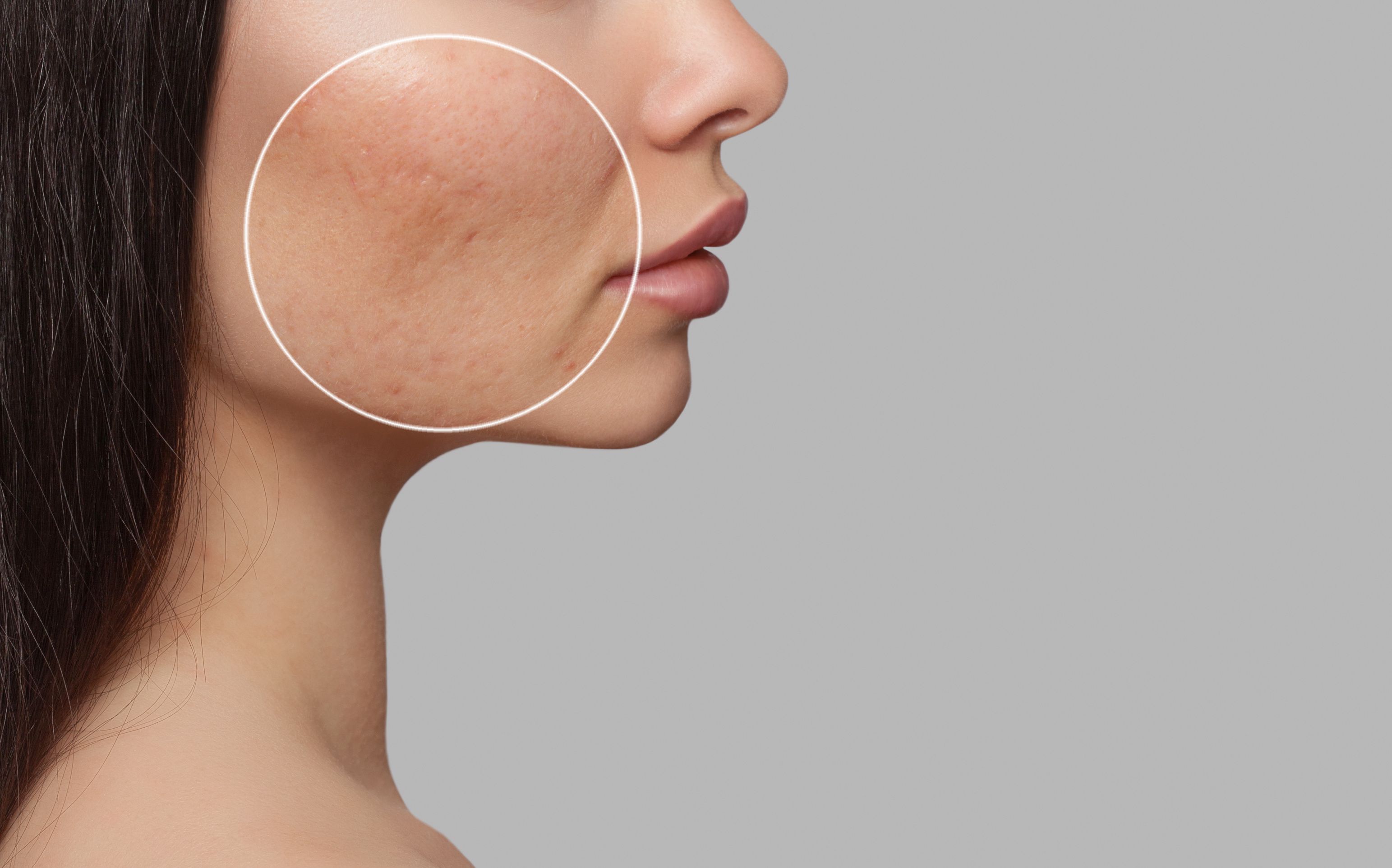
At the SPD 2022 47th Annual Meeting, a discussion of the latest therapeutics for acne.

At the SPD 2022 47th Annual Meeting in Indianapolis, Candrice R. Heath, MD, FAAP, FAAD share compelling best practices for treating patients of color with this condition.

At the SPD 2022 47th Annual Meeting, a discussion of habitual orders in children and adolescents, such as skin picking.

Bernard A. Cohen, MD, shares what he thinks will be most exciting at this year's Society for Dermatology Meeting in Indianapolis, Indiana.
Cynthia J. Trickett, PA-C, MPAS, discusses the personal and clinical effects of atopic dermatitis in adult and pediatric patients at the 2022 Maui Dermatology Conference for PAs & NPs.

At the SPD 2022 47th Annual Meeting in Indianapolis, Indiana, a poster session on atopic dermatitis severity and outcomes in young children from 5 regions around the world.

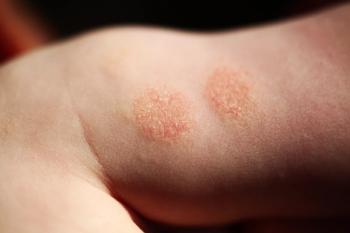
Verrica is complying with the FDA through 3 Complete Response Letters to achieve the first FDA-approved treatment of molluscum contagiosum.

The approvals were based on results from the JUNIPERA trial, which showed secukinumab reduced the risk of flare and disease activity when compared with placebo over 2 years in pediatric patients with ERA and JPsA.

From pediatric dermatology quizzes to the latest news in telederm to practical pearls on atopic dermatitis, alopecia, and vitiligo, there’s a lot going on at the SPD 2022 47th Annual Meeting, this year in Indianapolis, Indiana.
You will find dermatologic studies from the rare (annual erythema of infancy) to the common (atopic dermatitis) and lots in between at the poster sessions at this year's SPD 2022 47th Annual Meeting in Indianapolis, Indiana.
A wide array of fascinating sessions are being presented this year at the SPD 2022 47th Annual Meeting in Indianapolis, Indiana.
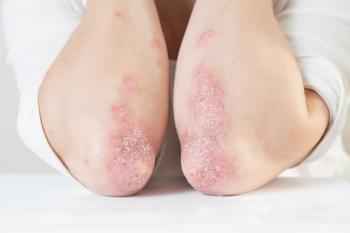
It is important for pediatric and family nurse practitioners caring for patients with dermatological conditions to be comfortable talking about the conditions with children, adolescents, and their parents.

The effect of acne is more than skin deep.
Meena Julapalli, MD, notes the sessions she is most looking forward to at the Society for Pediatric Dermatology in Indianapolis, Indiana.
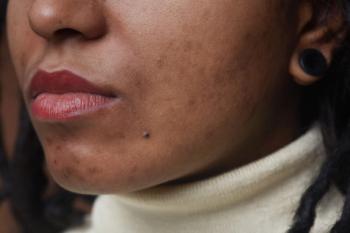
Tips for using patient education to help reduce the risk of postinflammatory hyperpigmentation.
At the 2022 Maui Derm NP+PA meeting in Colorado Springs, Colorado, a discussion of the newest biologics and how to "mix and match" medications and algorithms.
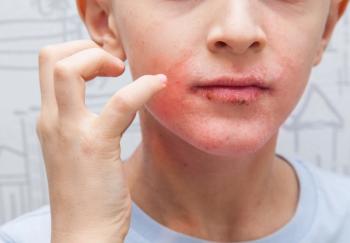
James Treat, MD, dives into pediatric patients dealing with alopecia areata, sleep issues in children with atopic dermatitis, and more.

Dr. Arkin speaks to how the psychological burdens of vitiligo can be exacerbated in younger patients, and what anticipated approvals such as ruxolitinib cream could mean for pediatric populations.

New data from ECZTRA 6 show improved sleep quality, itch relief and quality of life among teenagers treating atopic dermatitis with the IL-13 inhibitor.

Recent meta-analysis takes a look at possible adverse effects of the acne medicine, their frequency, and severity.