




Sanofi and Regeneron Pharmaceuticals, Inc announced the FDA approval of dupilumab. It is now the first biologic medicine for children from 6 months to 5 years old with moderate to severe atopic dermatitis.
Sanofi and Regeneron Pharmaceuticals, Inc announced the FDA approval of dupilumab. It is now the first biologic medicine for children from 6 months to 5 years old with moderate to severe atopic dermatitis.
Investigators explore the effectiveness of new combination therapies to address the multifactorial pathophysiology of acne vulgaris.

Understanding the difference in biology and clinical presentations of cutaneous conditions in different skin types is critical for health care professionals to treat a diverse population.

Learn to discern the best pain-mitigation strategies for each patient, based on research and personal experience.

Verrica received a Complete Response Letter from the FDA regarding their New Drug Application for the topical molluscum contagiosum treatment, VP-102.

A single lesson made an impact on high school students' knowledge and behavior when it came to sun protection.

Protection from the harsh rays of the sun is crucial for everyone—including children. Now that summer has arrived, a refresher course for your patients and their families on sun protection, which can go a long way in preventing skin damage and disorders due to the sun.

A 5-year-old nonverbal boy with autism spectrum disorder and global developmental delay presented to the emergency department with bilateral lower-extremity bruising and progressive difficulty ambulating. What's the diagnosis?

A look at the common condition and how to treat it.

For years, teenagers have been told to avoid certain foods to reduce acne. A review article examines the evidence.

Allergic contact dermatitis and atopic dermatitis are common causes of rashes in the pediatric population. Patch testing can help demystify the cause of such skin conditions and determine treatment.
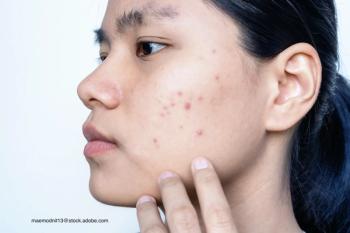
A clinician updates the conventional wisdom on acne’s variations in patients of color, offering pearls from her practice and practical takeaways from recent research.

The American Academy of Dermatology’s survey finds more Americans say sun protection is more important than 5 years ago, but don’t understand how to protect themselves.

There is a theory that professional acne care can be effective not only in decreasing clinical signs but also in improving quality of life.

A multicenter investigation provides information on the prevalence and incidence of patchy hair loss in children, also known as alopecia areata.

The education on how to treat patients with skin issues in this group needs to be expanded so physicians can better treat their patients.

Diaper dermatitis is common and the differential diagnosis is broad. Here are 5 cases that illustrate the various diagnoses that fall within this spectrum.

What role will digital therapeutic agents have in the coming years of atopic dermatitis treatment? It’s still being studied, but Jonathan Silverberg, MD, reviewed an interventional study that may provide key insights into what’s to come.

It's a hallmark of atopic dermatitis, but isn't always easy to assess. A presentation at the Revolutionizing Atopic Dermatitis meeting looks at available tools.

An abstract presented at the Revolutionizing Atopic Dermatitis meeting discussed the impact of treatment with dupilumab on the quality of life for children aged 6 months to 5 years with atopic dermatitis, as well as their caregivers.

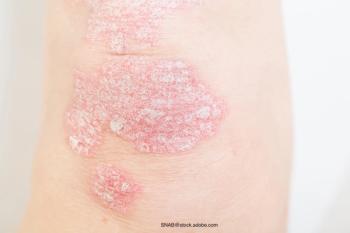
Dr. Paller discusses the findings of the clinical trial examining the long-term effects of ixekizumab for treating psoriasis in children.
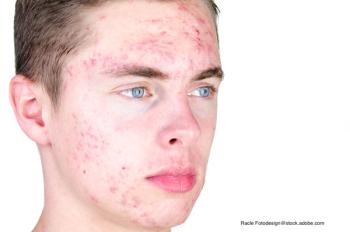
In a presentation at the recent AAD annual meeting, Diane M. Thiboutot, MD, discusses the potential risks of antibiotic resistance in acne management.
Phototherapy is a typical first-line therapy for jaundice. A recent study examines whether the use alters neoplasm risk.

In a presentation at the 2022 American Academy of Dermatology annual meeting, experts discussed differential diagnoses and clinical presentations in birthmarks and hamartomas.