
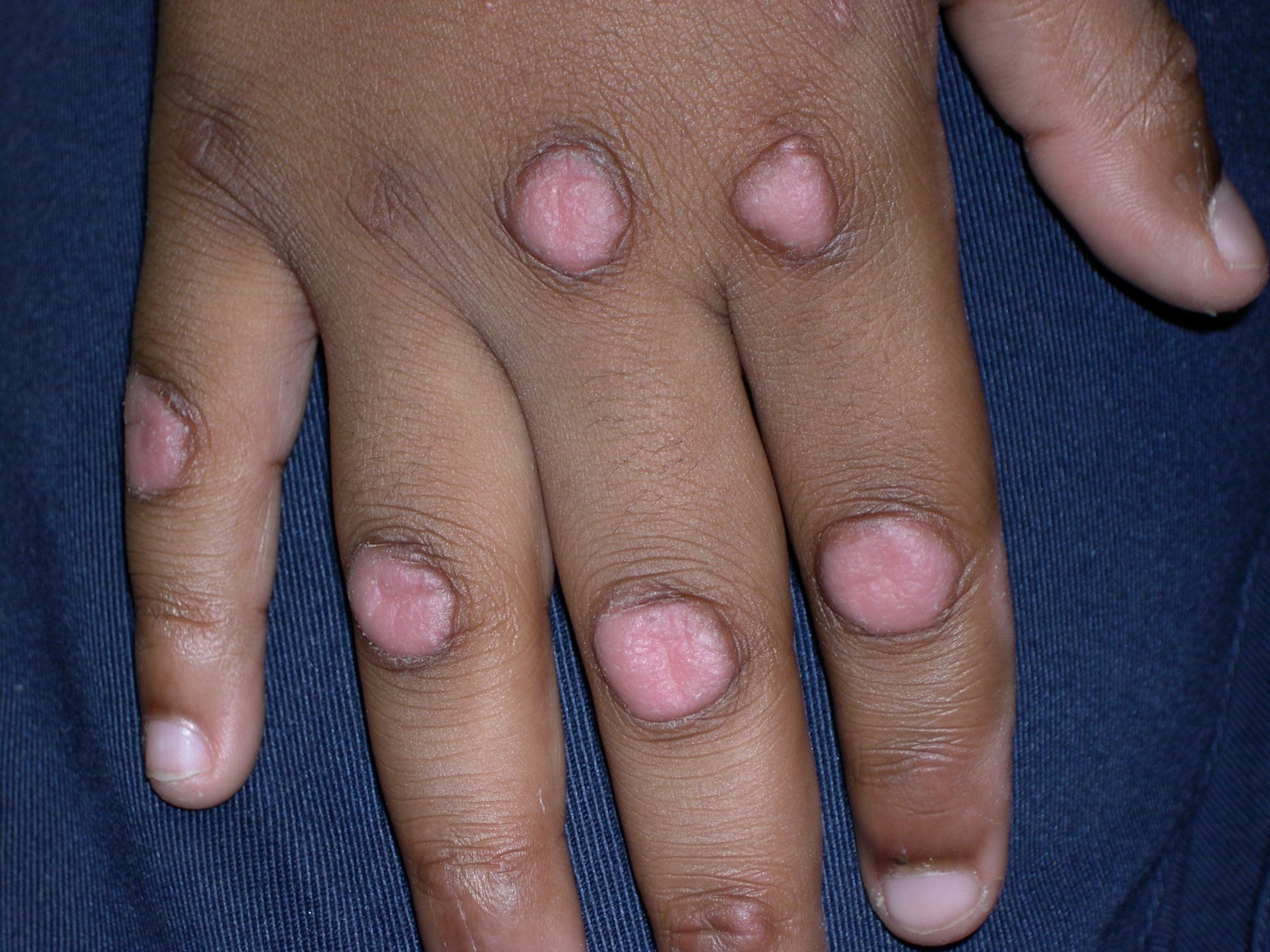
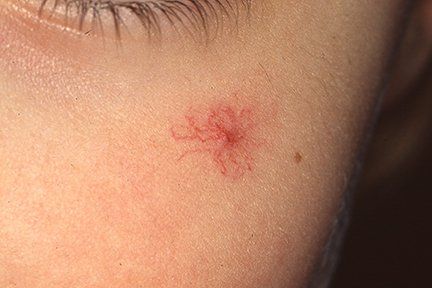

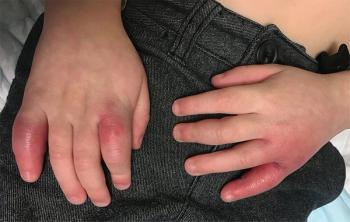
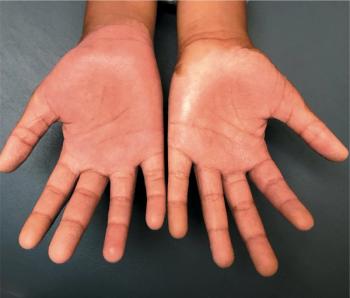
A 4-year-old boy presents for evaluation with painful swollen fingers on both hands that erupted after he made a snowman with his siblings following a snowstorm. He complains that they are itchy and painful. What's the diagnosis?
A 4-year-old boy presents for evaluation with painful swollen fingers on both hands that erupted after he made a snowman with his siblings following a snowstorm. He complains that they are itchy and painful. What's the diagnosis?
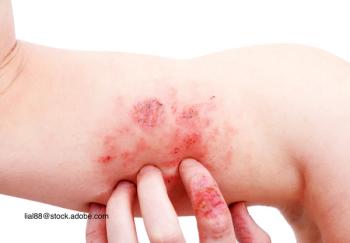
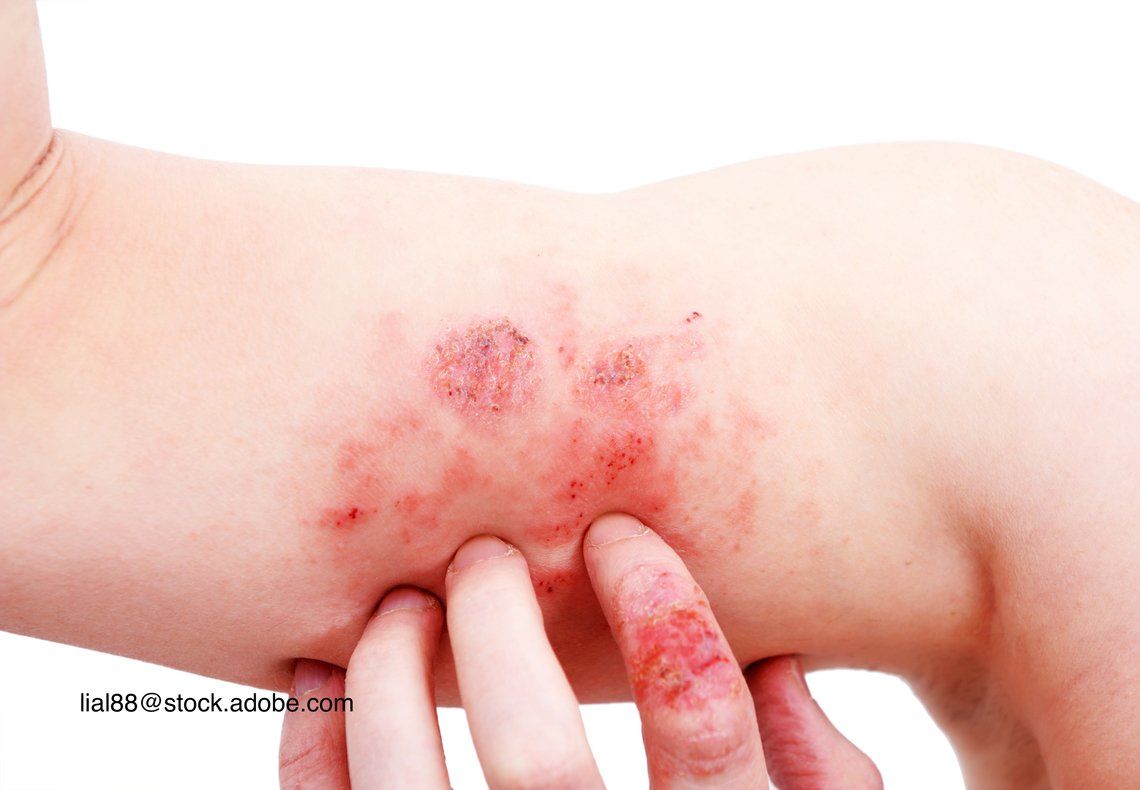
Postpartum depression has a number of profound effects. A new study indicates that postpartum depression could increase the risk of atopic dermatitis, especially at ages 5 and 9 years.
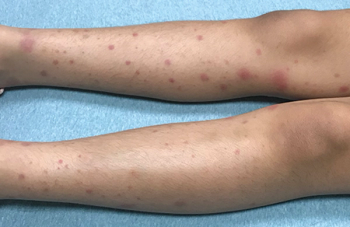
An 8-year-old, previously healthy girl presents to the emergency department (ED) with a rash “that looks likes bruises” and joint pain. The red patchy rash is not painful and not pruritic. What's the diagnosis?
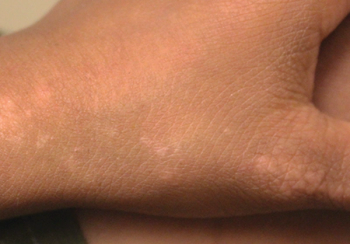
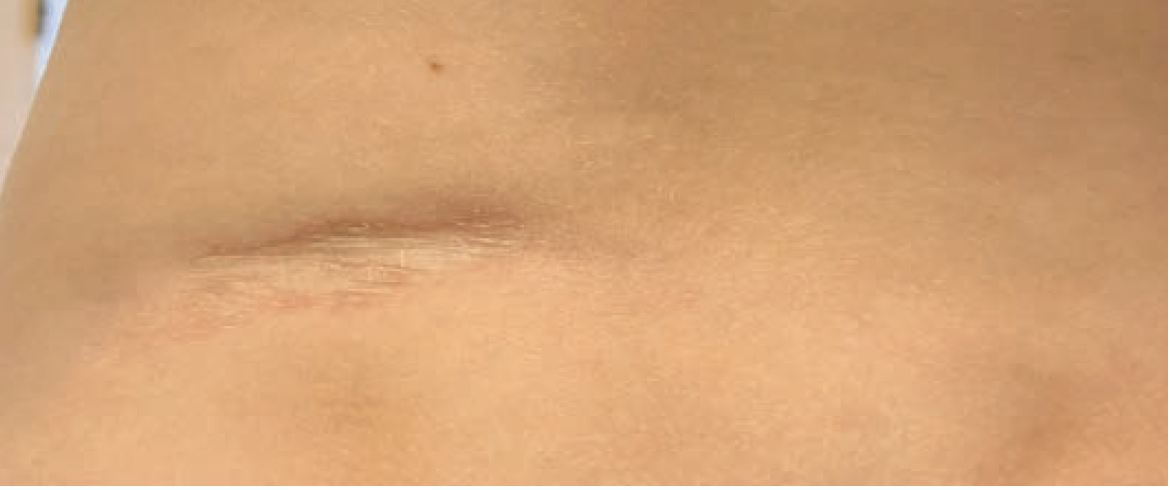
A healthy 6-year-old boy presents for evaluation with a 3-month history of an asymptomatic rash extending from his left thumb to his left wrist. What's the diagnosis?
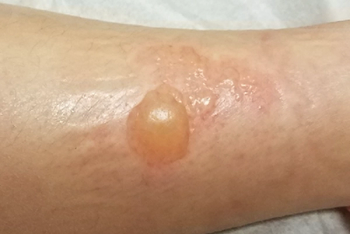
A 9-year-old girl presents with a painful blistering patch on her right leg noted when her mother picked her up from school following an after-school ski club trip. What's the diagnosis?
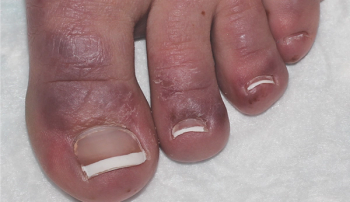
A healthy 15-year-old girl presents for evaluation of itchy, painful bumps on her toes that developed 3 weeks earlier. The bumps become more numerous and bothersome when she is outdoors sledding and skiing. What's the diagnosis?
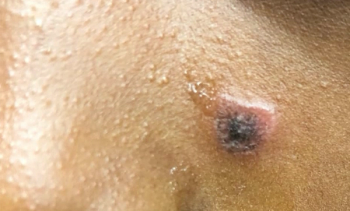
A healthy 10-year-old male presents for evaluation with a 3-year history of an asymptomatic and progressive, mildly pruritic rash over his head and trunk. The first lesion appeared on his back 3 years ago, and numerous other lesions developed insidiously afterward. The patient’s father states that the lesions fade during the winter and become more prominent during the summer. Failed treatment included hydrocortisone. What's the diagnosis?
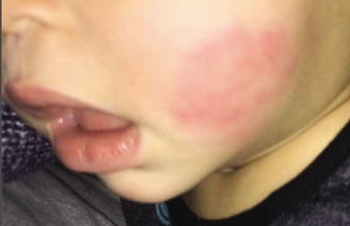
A healthy, afebrile, 12-month-old girl presents for evaluation with an asymptomatic nodule on her left cheek that has been present for 3 weeks. She was initially seen by her pediatrician, diagnosed with cellulitis, and prescribed an oral antibiotic, which was not administered by her parents.

Food allergies are a hot topic on the playground, at schools, and in pediatric offices. Parents of children with eczema or atopic dermatitis (AD) often have a lot of questions regarding the connection between eczema, exposure to common food allergens, and the development of or exacerbation of AD. There are many of the complex questions that clinicians must answer when evaluating pediatric patients with AD.
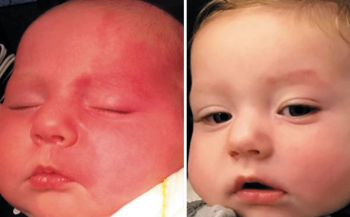
When a baby is born with a disfiguring port wine stain, parents may be anxious for options to eliminate the lesion. Laser treatment is an effective option, and it is best begun early.

Recommendations for whether to test for and treat food allergy in the setting of atopic dermatitis have changed.
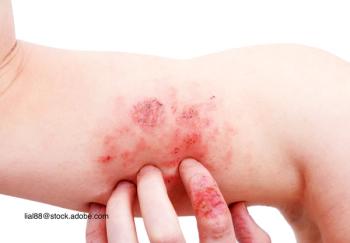
Pediatricians should consider family history of atopic dermatitis (AD) in both parents to help frame the risk for their offspring.

For diseases such as atopic dermatitis (AD) that require complex care, colorful infographics take the guesswork out of patient education.
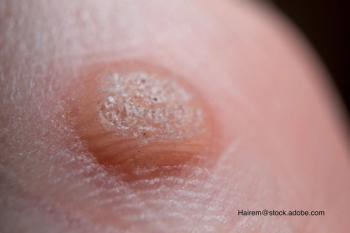
Many treatments for warts are destructive and painful, and are more likely to cause complications than the warts. A pediatric dermatologist advises what to do-or not do-for common warts.
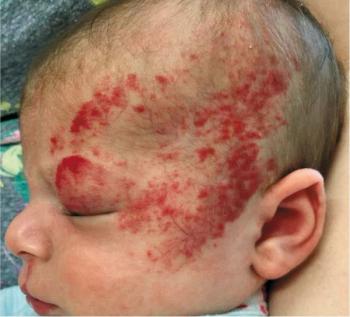
A healthy 5-week-old girl presents for evaluation of rapidly growing, flat-topped red papules on the left side of her face.

Children with atopic dermatitis (AD) will go to great lengths to hide their skin. Here’s how referring them to a pediatric psychologist can help them be their best self, even with AD.
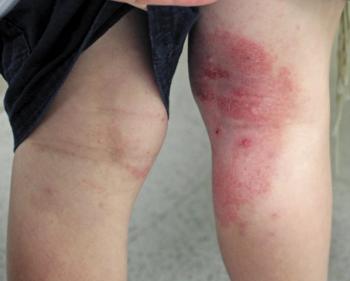
A healthy 5-year-old boy with a 6-month history of asymptomatic 2-mm to 3-mm papules on his legs presents for evaluation of a red, slightly itchy rash that just developed on the back of his right knee. What's the diagnosis?

Applying sunscreen as often as manufacturers recommend results in plasma concentrations of sunscreen’s 4 active ingredients that exceed the threshold for safety concerns established by the US Food and Drug Administration (FDA), according to a recent study.
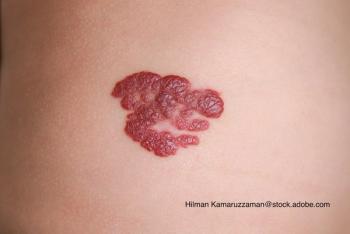
Contemporary Pediatrics sits down exclusively with Sheila Fallon Friedlander, MD, a professor dermatology and pediatrics, to discuss the one key condition for which she believes community pediatricians should be especially aware-hemangiomas.
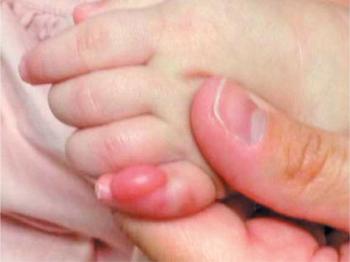
An otherwise healthy 5-month-old girl presents with an asymptomatic, rapidly growing, firm, smooth nodule on the side of her left fifth finger since she was 2 months of age.
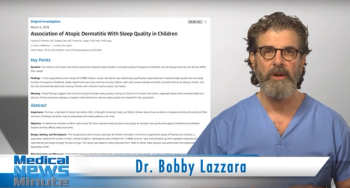
For Contemporary Pediatrics, Dr Bobby Lazzara discusses a study published in JAMA Pediatrics that examined how atopic dermatitis impacted the sleep quality and duration of the 14,000 study participants.
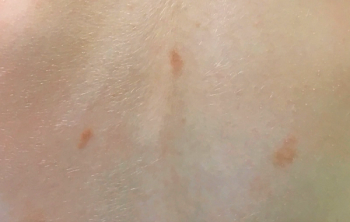
A healthy 3-year-old girl presents for evaluation of light brown spots on her trunk and extremities that have appeared over the last 2 years. The spots are not symptomatic but the girl’s parents are worried that she could have neurofibromatosis.
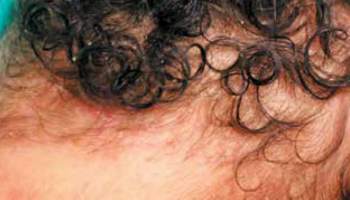
A 3-month-old boy presents for evaluation of a diffuse asymptomatic rash that began on his scalp and skin creases 6 weeks ago and has spread over his trunk and extremities. This week he has begun to scratch at his neck and abdomen.
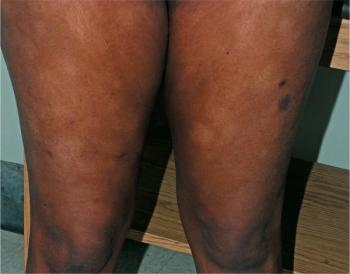
A healthy 14-year-old girl with a progressive asymptomatic rash on her arms, legs, trunk, and face presents for evaluation. She was treated for eczema with minimal improvement.
A healthy 12-year-old girl presents to the clinic with 2 days of low-grade fever and enlarging, painful, tense bullae on both hands. She had recently been diagnosed with streptococcal pharyngitis and was being treated with oral cefixime.