
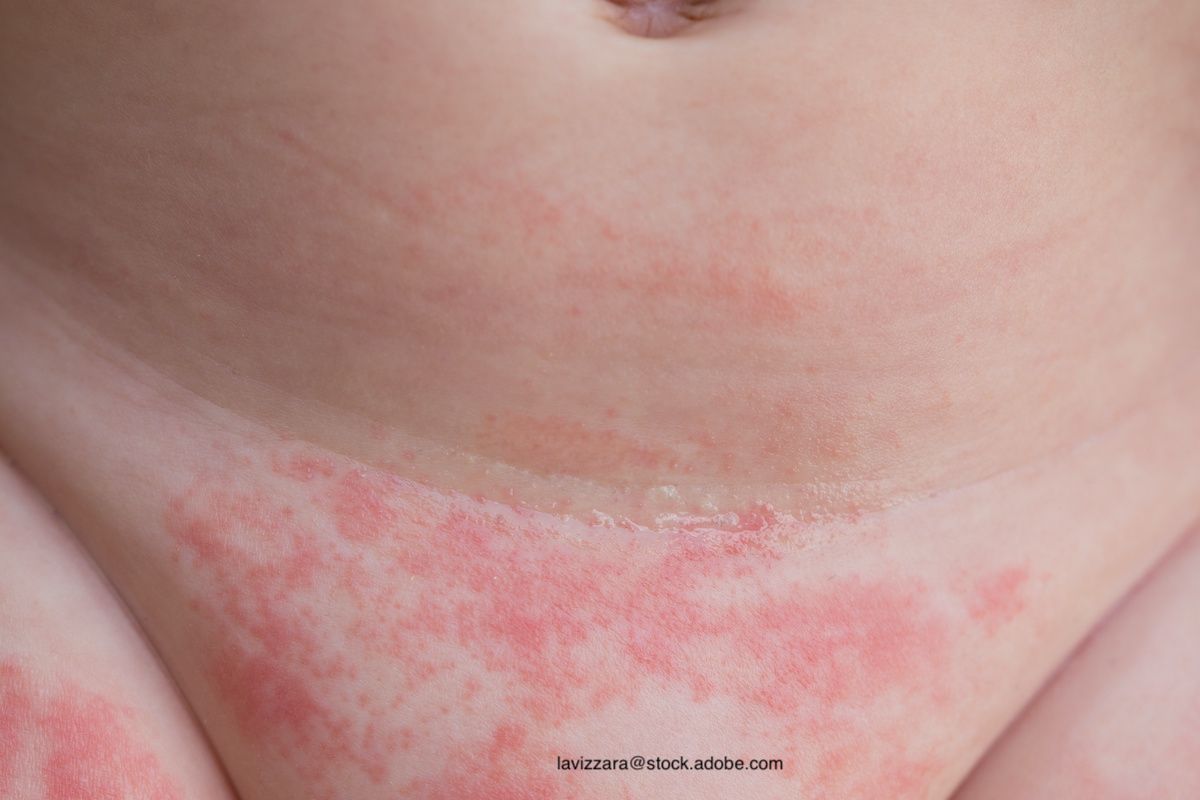





The first hours of life carry a long checklist, which often includes the newborn's first bath, but variation in the practice appears to be quite common across US birthing centers.
The first hours of life carry a long checklist, which often includes the newborn's first bath, but variation in the practice appears to be quite common across US birthing centers.

Not all diaper rashes are the same. Here's a look at the various contributors to the skin condition.

Vikash S. Oza, MD, and Matthew J. Zirwas, MD, discuss the current Rx and Dx of atopic dermatitis in children at the virtual Maui Derm MP+PA Fall 2021 conference.

The US Food and Drug Administration (FDA) has announced steps at improving the quality, safety, and efficacy of sunscreens.
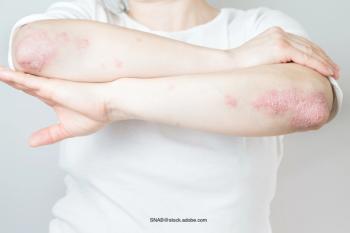
The US Food and Drug Administration has approved halobetasol propionate foam, 0.05%, a potent topical corticosteroid, for the treatment of plaque psoriasis in adolescent patients.
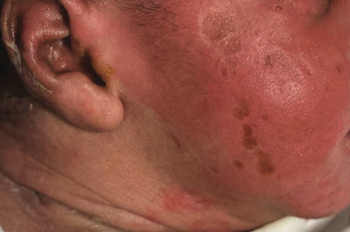
A healthy 9-day-old girl presents with erosions near her eyes, nose, and skin creases on the arm as well as a positive Nikolsky sign. What's the diagnosis?
Regeneron Pharmaceuticals, Inc. and Sanofi announced safety and efficacy results from LIBERTY AD trial for pediatric patients ages 6 months to 5 years.
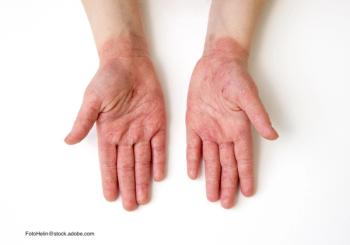
A phase 3 trial studies the effectiveness of oral abrocitinib along with topical therapy for moderate-to-severe atopic dermatitis.

A study published in the Journal of the American Academy of Dermatology examined the potential relationship between air pollution and the incidence of atopic dermatitis.
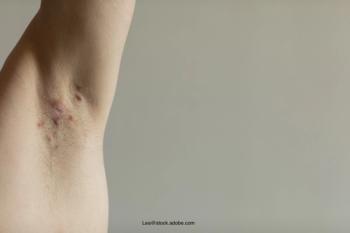
Many conditions are different in the pediatric population than in the adult population. How does hidradenitis suppurativa differ between the 2 groups?
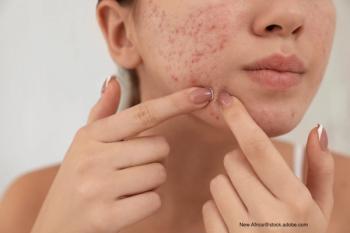
It effects most teenagers and can lead to mental distress. Here are 5 important facts about acne vulgaris in adolescents.

MediWound Ltd, announced the results for its CIDS trial studying NexoBrid as a treatment for children with severe thermal burns.

Dalbavancin has received US Food and Drug Administration (FDA) approval to treat acute bacterial skin and skin structure infections in pediatric patients.
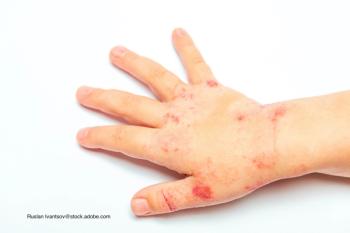
New and forthcoming options bring opportunity for optimizing patient care.

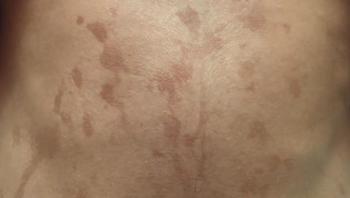
A 17-year-old boy presents with linear brown spots on his abdomen and chest that developed when he was on a beach vacation with his family the week prior. What's the diagnosis?
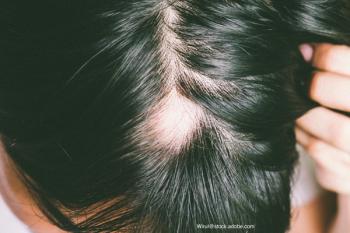
Hair regrowth was observed after starting dupilumab treatment in some pediatric patients with a history of severe and refractory alopecia areata and concomitant atopic dermatitis.
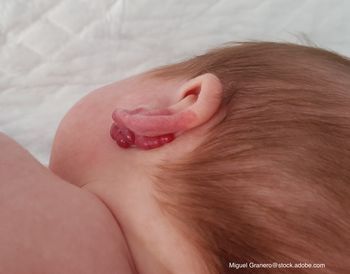
Not all infants with infantile hemangiomas are at risk of PHACE (posterior fossa malformations, hemangioma, arterial anomalies, cardiac defects, eye anomalies) syndrome, but some characteristics may indicate an increased risk.
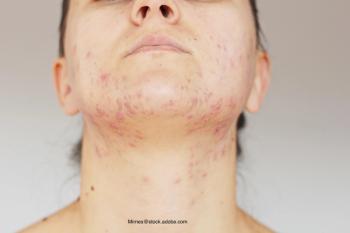
More than 90% of respondents to a recent survey expressed concern about acne’s effect on their adolescent’s mental health and social life.
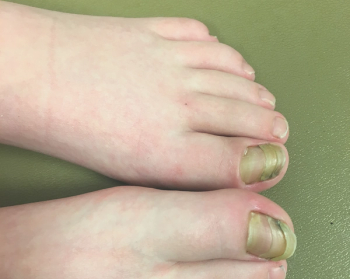
A 13-year-old girl presents with great toenails have become yellow, thickened, ridged, and crusted proximally on the left over the last 8 months.

Can probiotics help with atopic dermatitis risk? A meta-analysis offers some answers.
The US Food and Drug Administration (FDA) approved Cosentyx® (secukinumab) to treat moderate-to-severe plaque psoriasis in children aged 6 years and older. It’s the first pediatric approval for the drug.
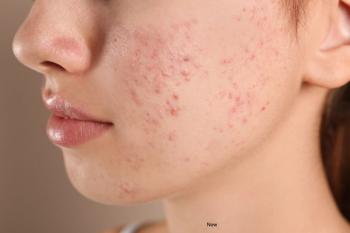
A study examined the difference in prescribing patterns between pediatricians and dermatologists when it came to acne treatments.

A 3-week old girl comes to an emergency room with vesicular eruptions and recent mild nasal congestion and fussiness. What’s the diagnosis?
Sunscreen is a necessary preventive tool. However, there are concerns about UV agent absorption, environmental impact, and possible correlations with frontal fibrosing alopecia (FFA). Here is a look at whether those worries are justified by research.