



Vaccination and Immunization
Latest News
Advertisement
Video Series
Latest Videos








Shorts
0:27
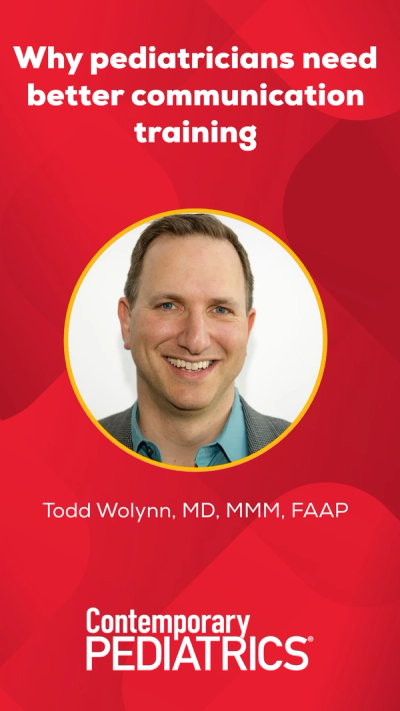
Why pediatricians need better communication training
20 days ago
by
Todd Wolynn, MD, MMM, FAAP

0:38
Connecting families with trusted health resources
24 days ago
by
Todd Wolynn, MD, MMM, FAAP

0:35
The truth about vaccine risks
24 days ago
by
Robert H. Hopkins Jr., MD
0:30
Remaining human on social media
a month ago
by
Todd Wolynn, MD, MMM, FAAP

0:36
Health care deserts: The assault on medical science
a month ago
by
Robert H. Hopkins Jr., MD
0:33
Why the HPV vaccine is crucial for cancer prevention
a month ago
by
Jonathan Miller, MD
0:26
AAP and AAFP step up as vaccine guidance authorities
a month ago
by
Sean O'Leary, MD

0:40
How to talk to skeptical parents about vaccines
a month ago
by
Jonathan Miller, MD
0:31
Why you shouldn't wait for the HPV vaccine
a month ago
by
Jonathan Miller, MD
0:31
Why pediatric vaccines are for the individual child’s benefit
2 months ago
by
Lori Handy, MD, MSCE
Podcasts





Advertisement
More News

A clinician-reported misinformation tracker at Children's Hospital of Philadelphia found vaccines accounted for 53.8% of 234 entries and informed education on 28 topics.
This FAQ breaks down the AAP's newest COVID-19, RSV, and influenza recommendations for clinicians who want a quick refresher on what changed for the 2026-2027 season.

Five rapid developments — new mRNA flu vaccine, CDC director, ACIP/NVAC charters, a vaccine order, and an HHS RFI — roil the 2026 schedule.
Court fight over CDC 2026 childhood vaccine schedule shifts shots to shared decision-making; experts warn lower uptake for Hep A, B, flu, COVID.
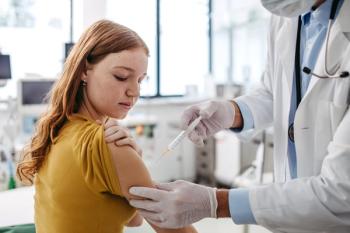
CDC's 2025 NIS-Teen data show HPV vaccine coverage flat for a fourth year, with rural adolescents 12 points behind urban peers in receiving ≥1 dose.
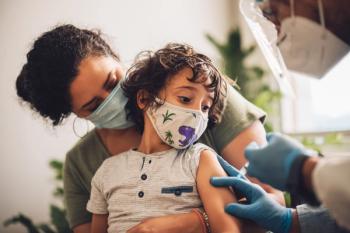
The AAP's 2026-2027 policy recommends universal vaccination for infants 6-23 months and a risk-based single dose for children 2-18 years.
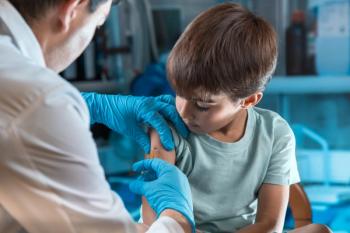
Independent review of hundreds of studies finds flu vaccine 80% effective against pediatric death; RSV and maternal immunization cut infant hospitalizations.
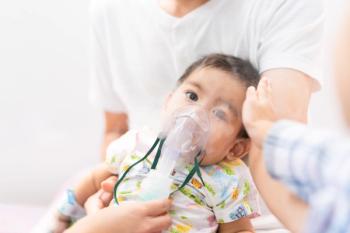
AAP guidance expands RSV immunization eligibility for children aged 8 through 19 months at high risk of severe disease.

Navigate back-to-school vaccine requirements, evidence, and FAQs—plus the latest measles data and new pneumococcal options for pediatric practice.
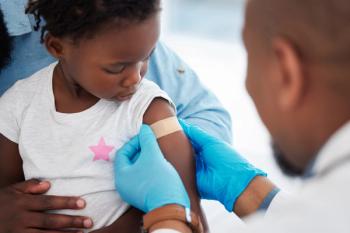
Executive order seeks to trim routine childhood vaccines, split combination shots, and push parent-doctor decisions—sparking debate as measles surges.
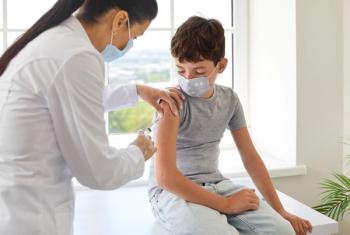
A 173-mother cohort study found parenting role models—not income alone—drove the link between maternal education and COVID-19 vaccination intent.

US measles cases have climbed to 2,318 in 2026, already exceeding all of 2025 and marking the country's highest annual total since 1991, as CDC data show falling MMR coverage continuing to fuel outbreaks.
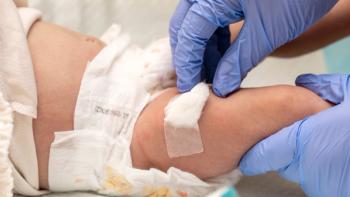
A 2-million-infant Swedish registry study found intramuscular vitamin K nonreceipt rose over 19 years and nearly tripled the odds of intracranial bleeding by 6 months.
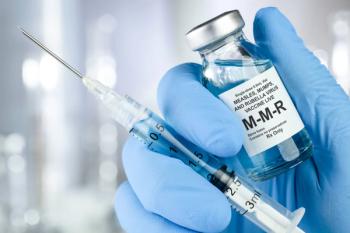
A 10-year King County study found MMRV was the first vaccine for 15% of children who were disproportionately Hispanic, Black, or VFC eligible.

A study found that nonmedical childhood vaccine exemptions have increased significantly across US counties since 2010.
Advertisement
Advertisement
Trending on Contemporary Pediatrics
1
How pediatricians can reframe vaccine conversations
2
Exploring AhR agonists in pediatric atopic dermatitis
3
Cariprazine improves mania and depression in pediatric bipolar I
4
FDA investigates malignancy risk with SMA gene therapy Zolgensma
5